

3 Herbs in Liver-Support Traditions

The liver is one of the body’s busiest organs. It helps turn food into usable nourishment, processes substances circulating in the blood, and supports the everyday work of clearing and elimination.
The Liver’s Role in Detoxification
The liver sits in the upper right abdomen, beneath the ribs. It processes nutrients absorbed from the digestive tract, stores some of them for later use, and makes bile to help digest fats. It also changes many hormones, medicines, and other substances into forms the body can use or eliminate.
Detoxification is part of this normal daily work. The liver, kidneys, digestive tract, and lungs cooperate to process and remove waste. A holistic approach to liver care pays attention to nourishment, digestion, and these natural clearing functions.
Herbal traditions have long cared for the liver and digestion together. Schisandra, tulsi, and andrographis bring distinct histories to that conversation, along with research on antioxidant activity and liver function. Andrographis also has an important current allergy precaution, noted below.
This article contains affiliate links. Ozark Holistic Center may earn a commission from purchases made through these links.
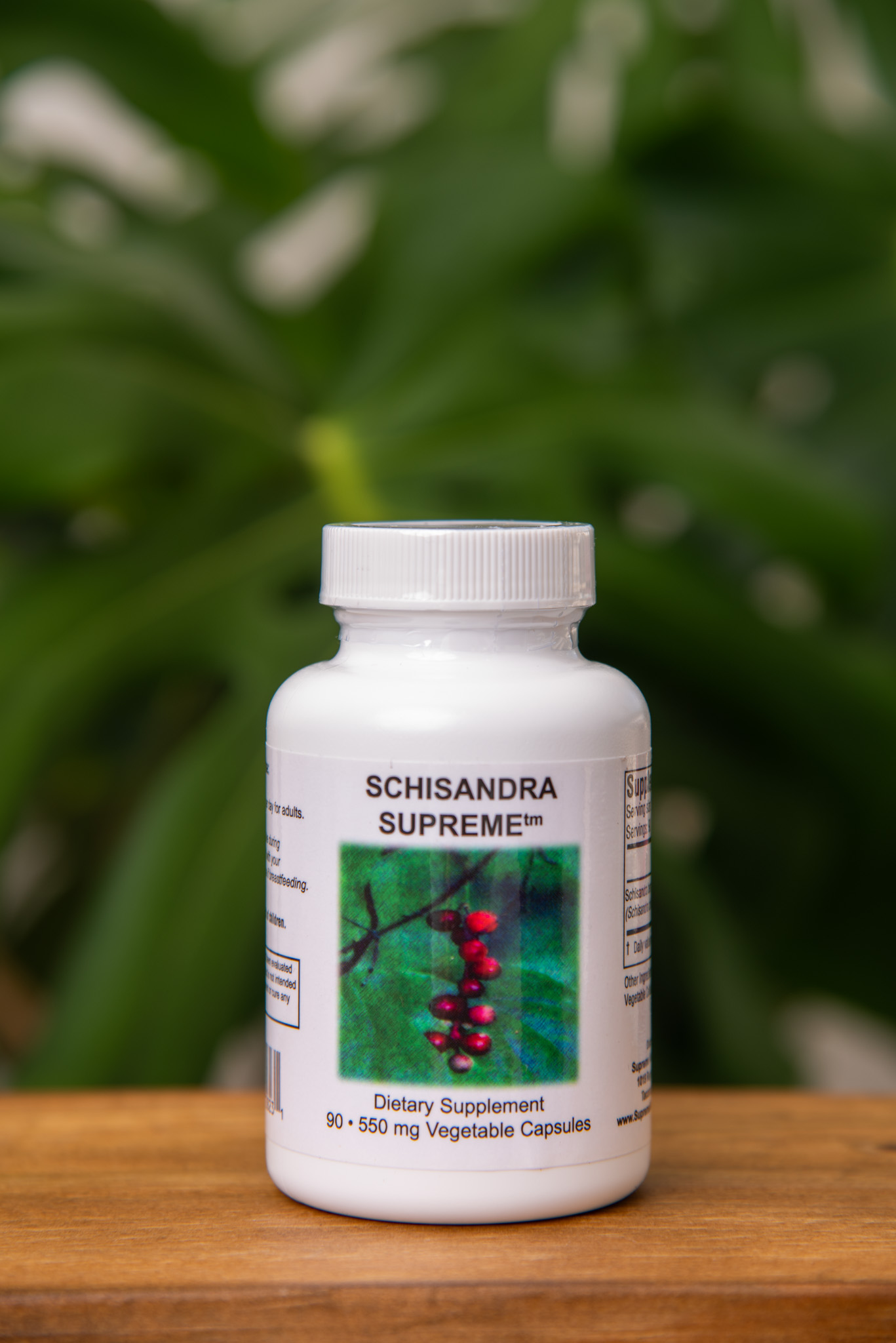
Schisandra is a climbing plant that produces clusters of red berries. In Chinese herbal medicine, its name wu wei zi means ‘five-flavored fruit,’ reflecting the sweet, sour, bitter, salty, and pungent qualities traditionally associated with it.
The berries have long been used in tonics for vitality and resilience. Their traditional roles include concerns involving fatigue, sleep, and respiratory function, with liver-related interest becoming an important part of modern research on the plant.
Schisandra contains compounds called lignans. Animal research has reported reduced oxidative stress, fat accumulation, and liver-tissue injury with schisandra preparations. These findings have made liver care an important area of research on the berry.
Human research has also reported improvements in liver-enzyme measures with a preparation combining schisandra fruit extract and sesamin. You can read about this combination in the clinical research paper.
In herbal practice, schisandra is used as a restorative tonic in plans for liver support and resilience. Its five-flavor identity reflects the broad traditional interest in a berry that connects vitality, recovery, and internal balance.
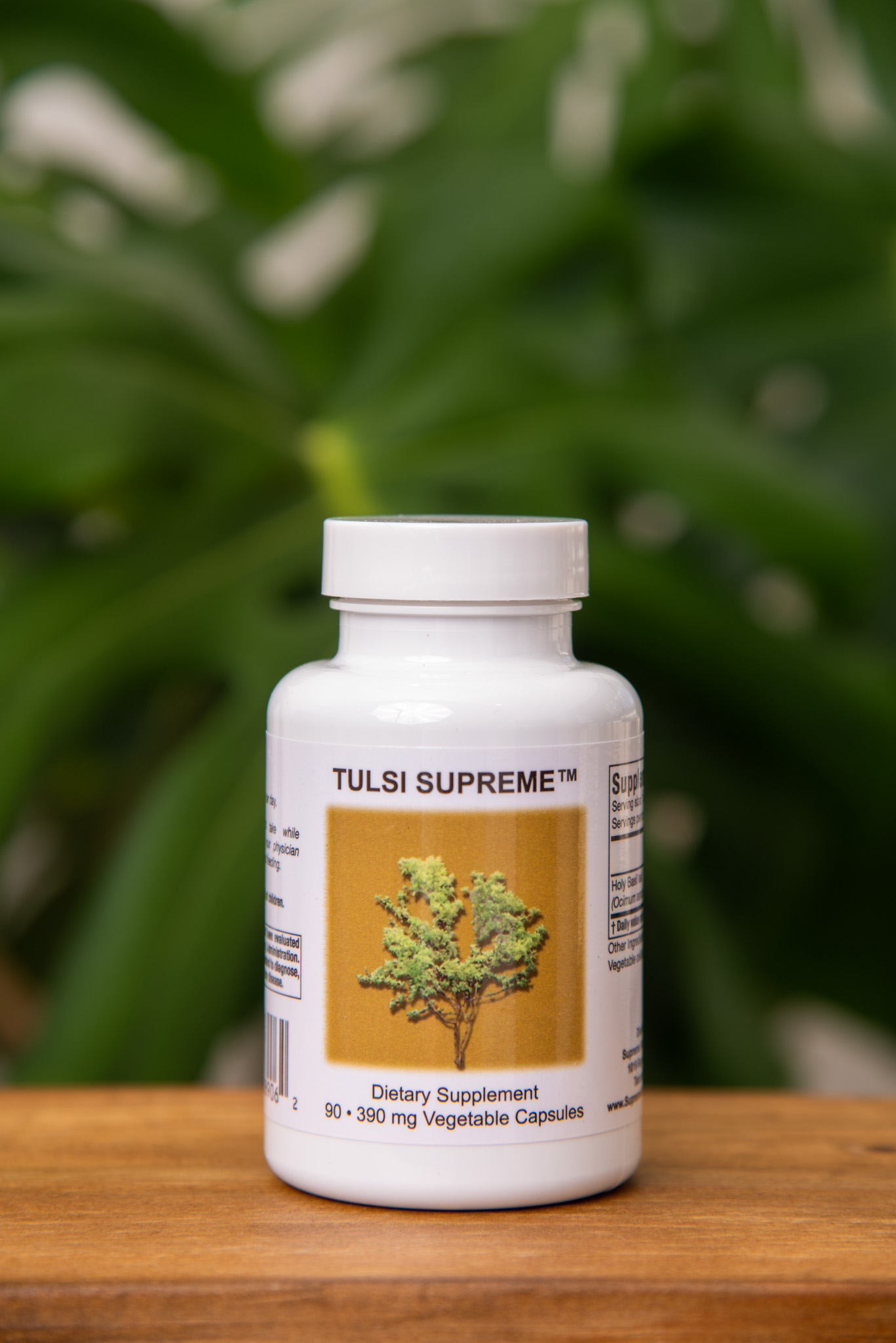
Tulsi, also called holy basil, is an aromatic herb native to tropical and subtropical Asia. Its sacred place in Hindu tradition and its use in household teas have connected it with everyday care for generations.
In Ayurveda, tulsi has been used for digestive and respiratory concerns as well as general physical and emotional well-being. This broad history helps explain why it appears in discussions that extend beyond stress support.
Liver-related research has explored tulsi’s antioxidant activity and effects on liver tissue. Animal research has reported improvements in markers of liver injury with a tulsi preparation, adding to the plant’s broad wellness story.
Oxidative stress occurs when reactive molecules place more demand on cells than their protective systems can comfortably handle. Research into tulsi’s antioxidant effects is one reason it attracts interest in liver-focused herbal care.
Tulsi’s traditional role connects this discussion with daily well-being. Its history in digestive care, household teas, and restorative routines makes it a natural part of a holistic conversation about caring for the body’s processing and clearing systems.
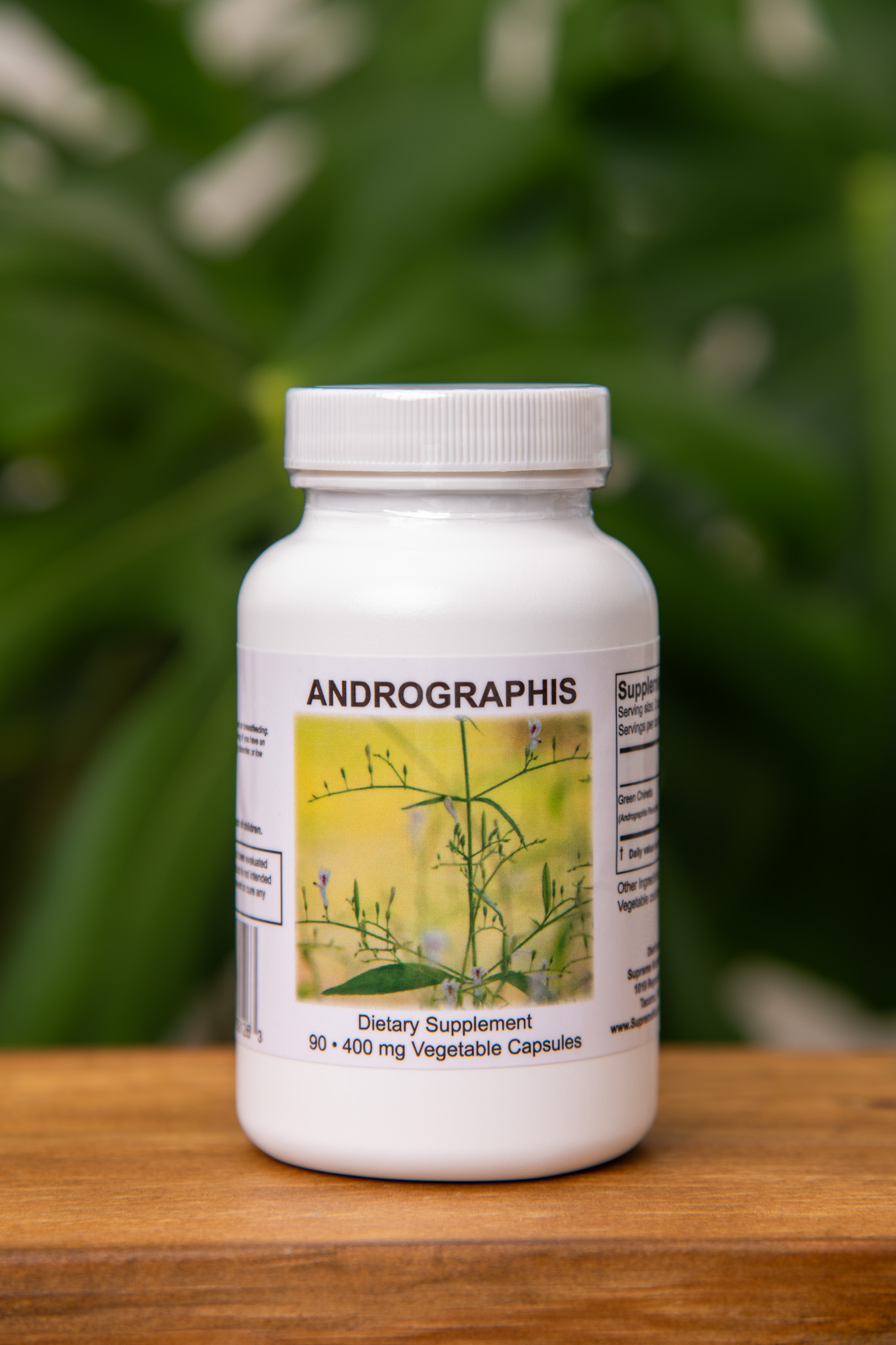
Andrographis is a bitter herb used in several Asian medical traditions. It is also called kalmegh or green chiretta, and the nickname ‘king of bitters’ gives a clear sense of its taste. Traditional preparations commonly use the leaves and other above-ground parts.
Its history includes use for fever, digestive complaints, and respiratory illness. Bitter herbs have often been included in traditional digestive care, helping explain andrographis’s place in broader discussions of liver and digestive function.
Animal research has reported protective effects against experimentally induced oxidative liver injury. This adds a research perspective to the plant’s traditional use in liver and digestive care.
Andrographis’s intensely bitter character has helped define its place in Asian herbal medicine. Its traditional uses and liver-related research are worth understanding alongside the current allergy information below.
Safety update · September 2026Australia’s Therapeutic Goods Administration removed andrographis from the ingredients permitted in newly listed medicines because of unpredictable severe allergic reactions, including anaphylaxis. This is an Australian regulatory action, not a U.S. ban on the linked product. Given this risk, andrographis should not be a casual self-care choice. Review its inclusion with a qualified clinician before considering use. Read the official safety update.
A personal approach
Liver Care Begins with the Bigger Picture
Schisandra brings a restorative tonic tradition and research on liver-related markers. Tulsi adds an everyday wellness tradition and antioxidant findings. Andrographis contributes a bitter-herb history in digestive and liver care, with an allergy risk that requires particular attention.
Supporting detoxification begins with supporting the body’s normal work: nourishing meals, regular bowel function, hydration, and attention to alcohol, medications, and other exposures. Herbal choices can then be tailored to a clear purpose within that larger plan.
A brief note on safetySchisandra can alter how some medications are processed and should be avoided during pregnancy. Tulsi warrants review with blood thinners and blood-sugar medicines. Andrographis carries a severe-allergy risk and should be avoided during pregnancy and breastfeeding. Anyone with liver disease should review all herbs and supplements with their treating clinician. Yellowing of the skin or eyes or abnormal liver tests needs medical assessment.Schisandra safety
Ozark Holistic Center
Let’s start with your story.
If you would like help understanding which approaches fit your situation, learn about functional medicine at Ozark Holistic Center and our free 15-minute consultation.


