

3 Herbs for Energy & Recovery

There is a difference between feeling tired after a full day and feeling as though you never quite recover. When energy stays low, even ordinary responsibilities can begin to feel heavier.
Where the Body’s Energy Comes From
Energy production begins with the food we digest and the oxygen we breathe. Blood carries these resources to our tissues. Inside most cells, structures called mitochondria help turn fuel into ATP, a form of energy cells use to do their work.
The nervous system and hormones help coordinate activity and recovery, while sleep gives the body time for essential maintenance. That is why caring for energy involves nourishment, circulation, rest, and the demands placed on the body.
Herbal traditions often approach vitality through restoration: nourishing someone who feels depleted, supporting rest, and helping them recover from sustained demands. American ginseng, ashwagandha, and suma each have a place in that restorative tradition.
This article contains affiliate links. Ozark Holistic Center may earn a commission from purchases made through these links.
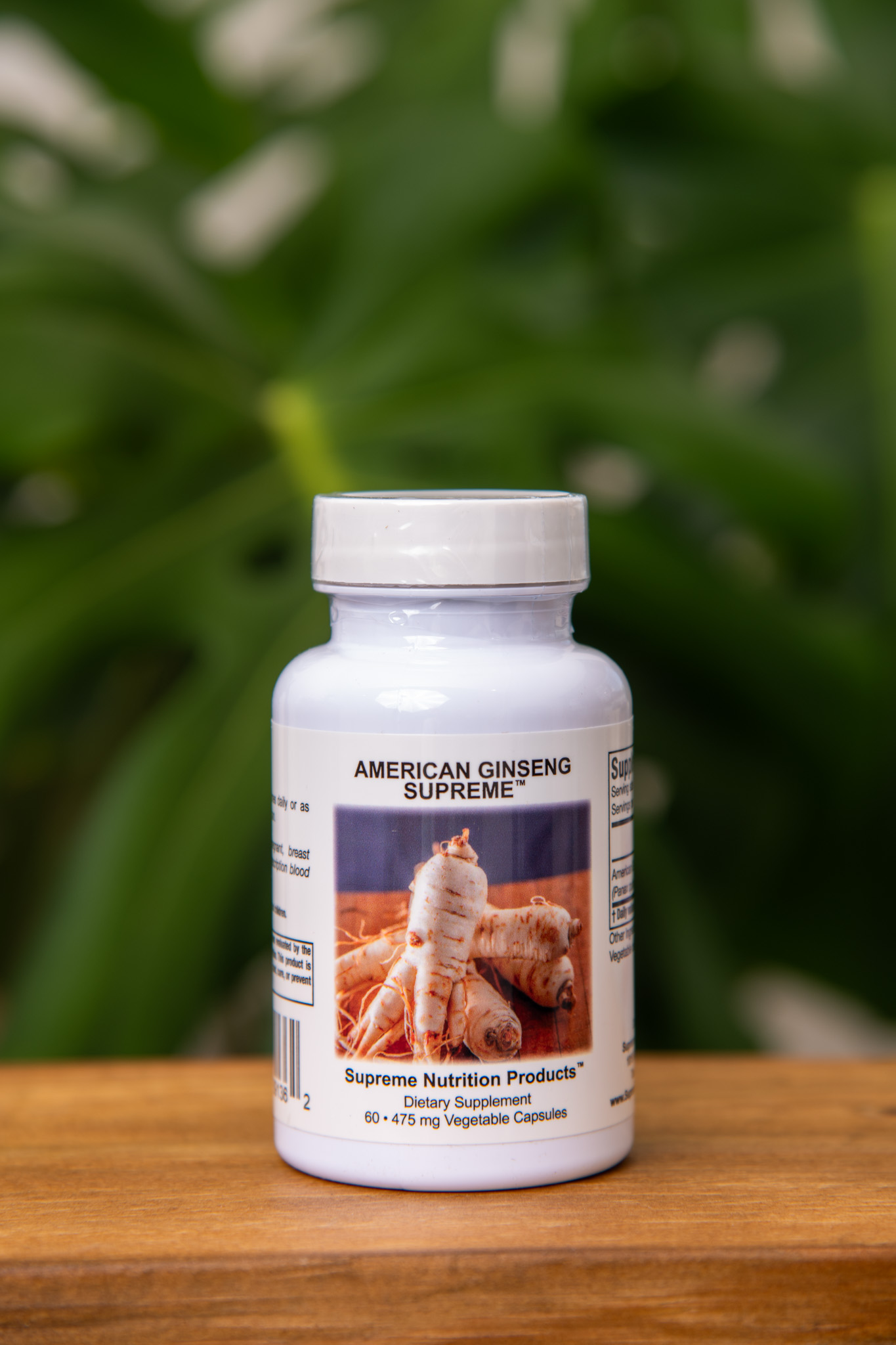
American ginseng grows in the deciduous woodlands of North America. Its root has a history of use among Indigenous peoples and later became an important part of Chinese herbal practice through trade.
In that later tradition, American ginseng is often described as nourishing and cooling. Its reputation centers on supporting vitality when a person feels depleted. The botanical name Panax quinquefolius identifies this North American species.
Human research has found improvements in cancer-related fatigue with an American ginseng preparation. This clinical research paper describes the benefit observed in that setting.
In traditional herbal practice, American ginseng is chosen for people who feel worn down or depleted. The emphasis is on nourishment and restoration, a useful perspective when thinking about sustainable vitality. People receiving cancer treatment should coordinate any supplement use with their oncology team.
Its root story connects the experience of low energy with a wider need for recovery. That makes American ginseng a purposeful herb to discuss when a plan is centered on rebuilding a sense of stamina.
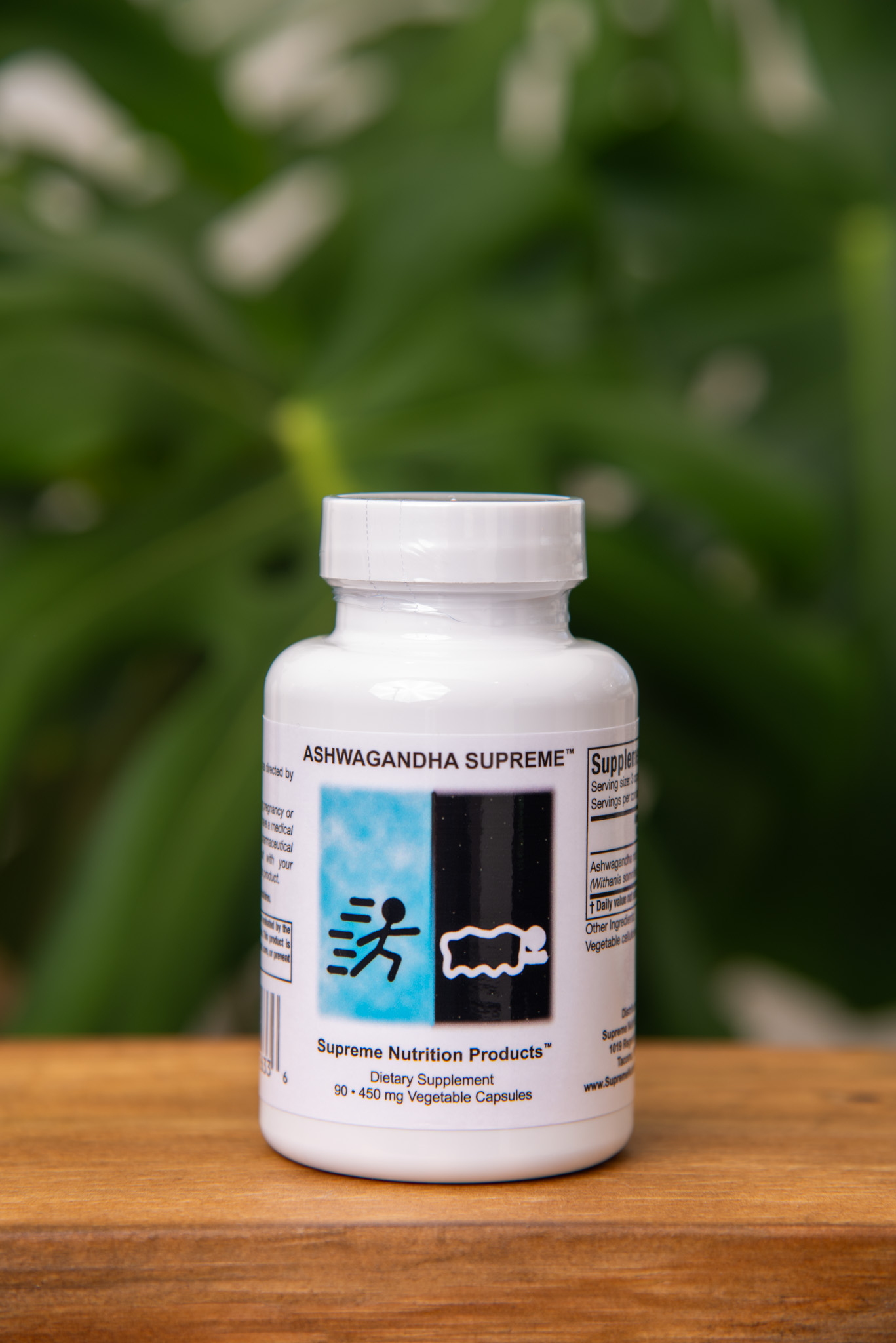
Ashwagandha is a shrub native to parts of Asia and Africa, with roots that have been used in Ayurveda for generations. It is considered a rasayana, a restorative herb associated with strength, vitality, and healthy aging.
Its traditional role includes care for people who feel weakened or exhausted. That restorative history is especially interesting when someone describes being tired all day but unable to settle into restful sleep at night.
Human research on particular ashwagandha preparations has found reduced perceived stress and improvements in sleep. This stress research paper and the NIH overview provide useful context.
Better rest and a calmer stress response are meaningful parts of recovery. Ashwagandha’s benefits in these areas connect directly with its traditional role as a restorative root.
For someone who feels worn down yet struggles to unwind, ashwagandha brings a useful focus to herbal care: creating the conditions for rest, recovery, and steadier daily vitality.
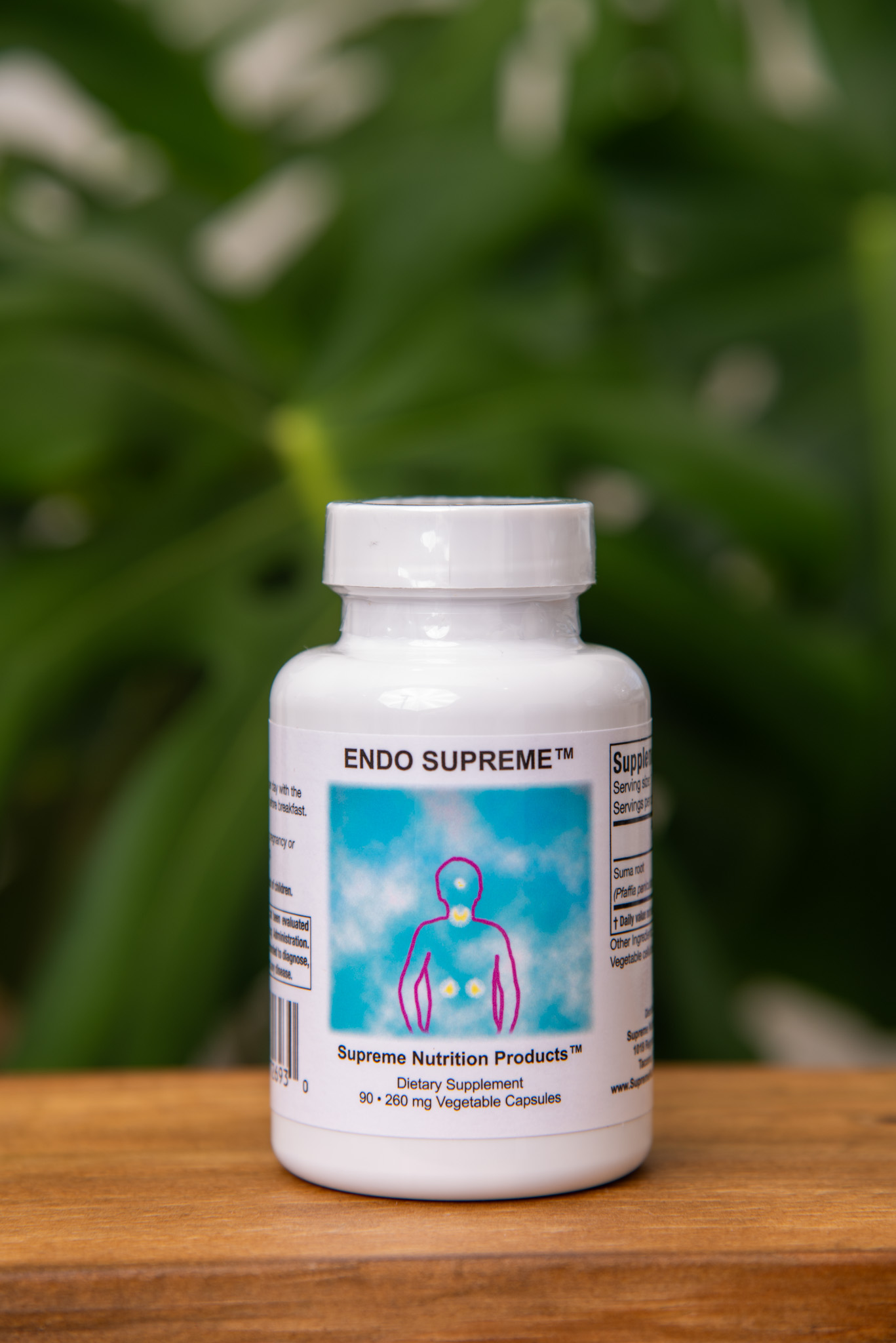
Suma is a South American plant whose root has traditionally been used as a tonic for strength, stamina, and general vitality. It is especially associated with Brazil and is sometimes called Brazilian ginseng.
That common name can be misleading: suma is not a member of the Panax genus. The herb in Endo Supreme is identified as Pfaffia paniculata, which should also be distinguished from other species sold under related names.
Its traditional appeal is the idea of replenishment after depletion. Suma has been used in herbal approaches to physical endurance and sexual vitality, making it a frequent part of conversations about feeling worn down.
Research has also explored suma’s traditional reputation for sexual vitality. In animal research, a fluid extract improved sexual behavior in male rats with low baseline activity. This is a separate aspect of the plant’s wider restorative story.
In herbal practice, suma is used as a tonic for stamina and vitality. Its place in an energy-support plan comes from that tradition of replenishment, with the choice guided by the person’s overall condition and needs.
A personal approach
Looking Beneath the Low Energy
American ginseng brings a nourishing tradition and clinical findings on cancer-related fatigue. Ashwagandha connects vitality with stress relief and restful sleep. Suma offers a South American tradition of stamina and restoration.
Choosing support begins with the pattern of your energy: when you feel your best, when you run out of steam, and how well you recover. A personalized approach pairs the right herbal role with nutrition, sleep, and attention to the reasons fatigue has become persistent.
A brief note on safetyAmerican ginseng can interact with warfarin and blood-sugar medicines. Ashwagandha should be avoided during pregnancy and breastfeeding and warrants review with thyroid or autoimmune conditions; rare liver injury has been reported. Suma has limited human safety information and should be avoided during pregnancy, breastfeeding, and hormone-dependent cancers. Review all three with a clinician when taking medication. Persistent fatigue deserves assessment for its underlying cause.American ginseng safety · Ashwagandha safety
Ozark Holistic Center
Let’s start with your story.
If you would like help understanding which approaches fit your situation, learn about functional medicine at Ozark Holistic Center and our free 15-minute consultation.


