
3 Herbs for Menopause Support

Menopause can change the texture of everyday life. A night interrupted by heat may lead to a tired morning, while sleep, mood, comfort, and the ability to recover from stress begin to feel different.
What Changes During Menopause?
The ovaries produce hormones, including estrogen and progesterone, that help regulate the menstrual cycle and influence tissues throughout the body. During perimenopause, hormone levels fluctuate as ovarian activity changes. Over time, production declines and menstrual periods stop.
These changes can affect the brain’s temperature regulation, sleep, mood, and vaginal tissues. This helps explain why one transition can show up as hot flashes, restless nights, emotional changes, or dryness.
Women have turned to herbs during this transition for generations. Black cohosh, shatavari, and ashwagandha offer three complementary stories: relief from menopausal discomfort, nourishment through change, and support for rest and restoration.
This article contains affiliate links. Ozark Holistic Center may earn a commission from purchases made through these links.
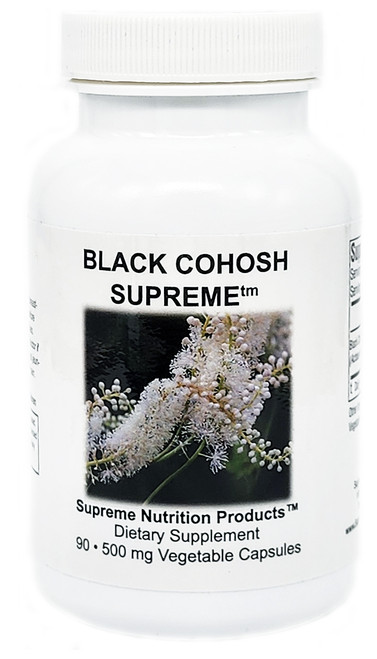
Black cohosh grows in the woodlands of eastern North America, sending tall white flower spikes above its leaves. Its roots and rhizomes are used in herbal medicine. You may also see it identified by the older botanical name Cimicifuga racemosa.
The plant has a history of use among Indigenous peoples, including for menstrual concerns, and later entered European and American herbal practice. Today it is particularly associated with the menopause transition.
Human studies of specific black cohosh extracts have reported improvements in hot flashes and overall menopausal symptoms, with results varying across studies and preparations. This clinical research paper and the NIH overview explore those findings.
That focus on heat and menopausal discomfort makes black cohosh a purposeful herb to discuss when hot flashes are interrupting the day or night. Its traditional history gives the conversation depth, while the research helps identify the benefits women have experienced.
Black cohosh and blue cohosh are different plants. For black cohosh, the root and rhizome are the relevant parts, and choosing a clearly identified preparation is part of thoughtful herbal care.
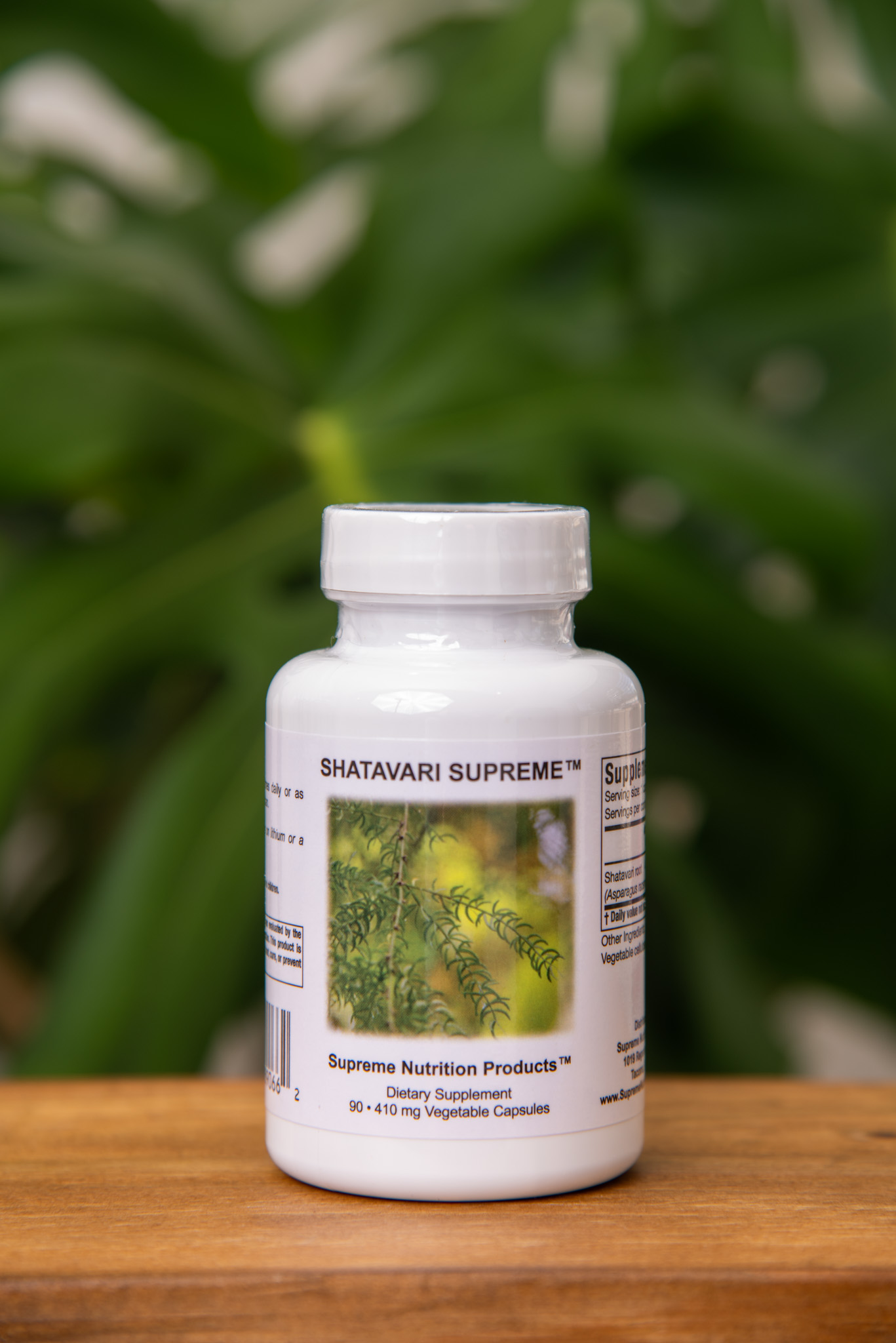
Shatavari’s fleshy roots have been used in Ayurveda as a restorative tonic, particularly in women’s care. The climbing plant belongs to the asparagus family and grows in warm regions, including across much of South Asia.
Traditional descriptions often emphasize nourishment and replenishment. Shatavari has been used for reproductive and digestive well-being, placing the needs of a particular life stage within the broader health of the person.
That perspective can feel especially relevant during menopause, when several changes arrive together. The experience may involve warmth, sleep disruption, emotional strain, or a sense that familiar routines no longer meet the body’s needs.
Emerging human research with a standardized shatavari extract has reported improvements in overall menopausal symptoms, including hot flashes, with improvements in some stress-related measures. This recent research paper explores those findings.
Shatavari’s nourishing tradition and newer menopause research make it especially relevant when a woman wants support through several changes at once. Its story centers on feeling replenished and comfortable through a new stage of life.
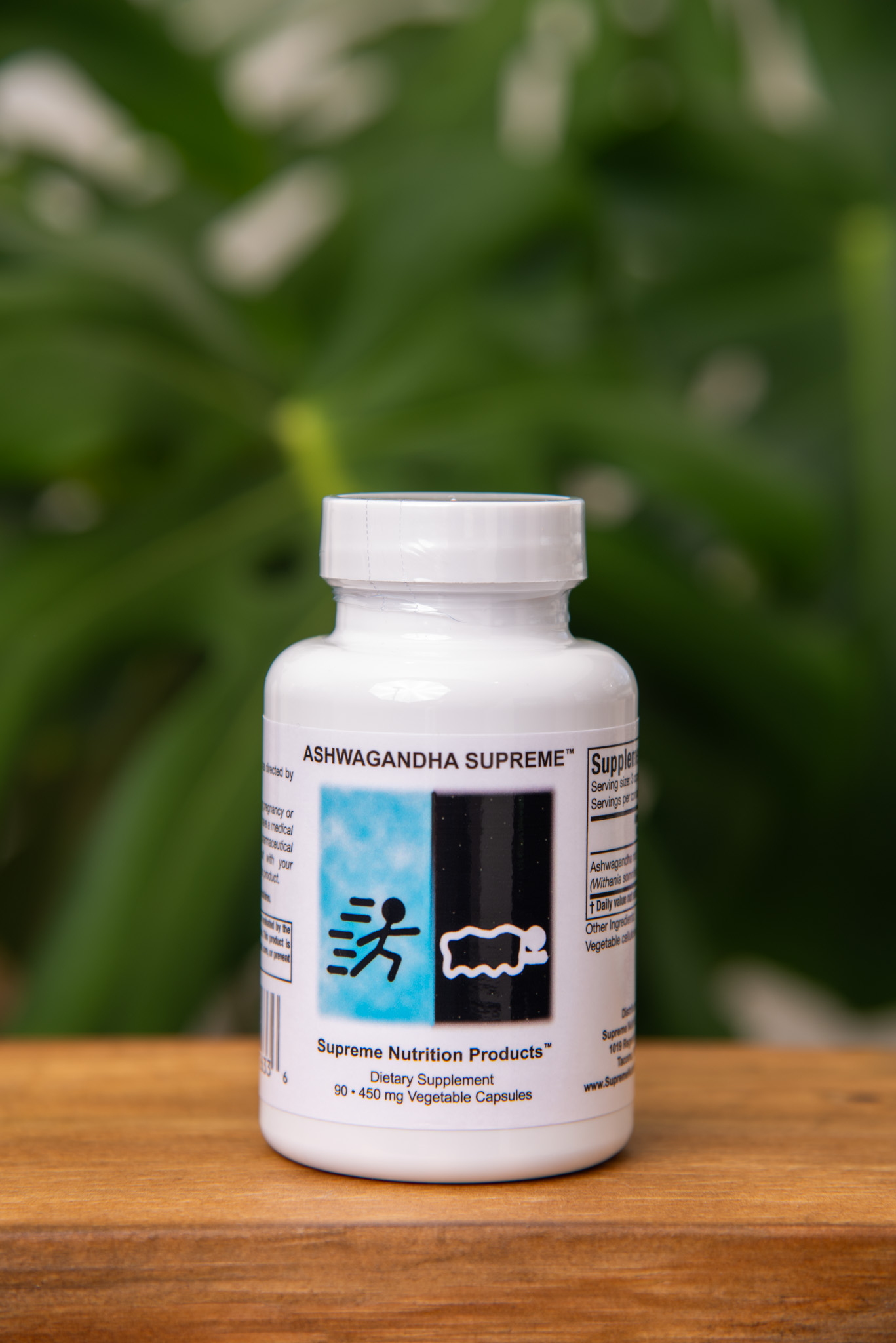
Ashwagandha is a shrub found across parts of Asia and Africa. Its root has a prominent place in Ayurvedic medicine as a rasayana, a restorative herb traditionally associated with vitality, strength, and healthy aging.
Its history includes care for people who feel exhausted yet have difficulty resting. That combination can be familiar during perimenopause, when interrupted sleep and changing demands may leave little room for recovery.
Human research on ashwagandha preparations has reported benefits for perceived stress and sleep. Early research specifically involving perimenopausal women has also found improvements in overall menopausal symptoms and quality of life. You can read the perimenopause research here.
These findings give ashwagandha a different emphasis from an herb chosen primarily for hot flashes. Its strongest connection is with restoration: how a person handles stress, how well they sleep, and whether they feel able to recover.
Rest and resilience deserve attention during this transition. Ashwagandha’s restorative history connects naturally with a plan that helps a woman settle at night and recover from the demands of the day.
A personal approach
Care That Fits This Season of Your Life
Black cohosh is closely associated with care for hot flashes and menopausal discomfort. Shatavari carries a nourishing tradition in women’s health, while ashwagandha brings a restorative approach to sleep and stress.
The most useful starting point is what you want to feel better. A plan can focus on cooler nights, steadier days, improved comfort, or more restorative rest, with herbal choices tailored to your symptoms and medical history.
A brief note on safetyBlack cohosh needs particular review with liver disease or a history of hormone-sensitive illness. Rare serious liver injuries have been reported with products labeled black cohosh, although the cause is not always clear. Ashwagandha also has rare liver-injury reports and needs review with thyroid or autoimmune conditions. Shatavari warrants consideration with hormone-sensitive conditions. These herbs should not be used during pregnancy or breastfeeding without appropriate medical guidance; ashwagandha should be avoided. Bleeding after menopause should be medically assessed.Black cohosh safety · Ashwagandha safety
Ozark Holistic Center
Let’s start with your story.
If you would like help understanding which approaches fit your situation, learn about functional medicine at Ozark Holistic Center and our free 15-minute consultation.


