
3 Herbs for PMS Support

Updated: 2 days ago
For some women, the days before a period bring a predictable shift: breast tenderness, irritability, disrupted sleep, or a feeling that ordinary demands have become harder to manage. Understanding the monthly rhythm helps make sense of those changes.
Understanding the Monthly Cycle
The menstrual cycle is a conversation between the brain, ovaries, and uterus. Signals from the brain help coordinate ovulation. Estrogen helps build the uterine lining, and progesterone rises after ovulation to support it. When pregnancy does not occur, these hormones fall and the lining is shed as a period.
Hormonal shifts also interact with the nervous system, influencing sleep, mood, and how the body feels. That is why cycle care often includes emotional well-being and rest alongside reproductive health.
Chaste tree, shatavari, and tulsi have distinct roles in traditional women’s care. Together, their stories bring attention to menstrual comfort, nourishment, and the ability to feel settled and resilient throughout the cycle.
This article contains affiliate links. Ozark Holistic Center may earn a commission from purchases made through these links.
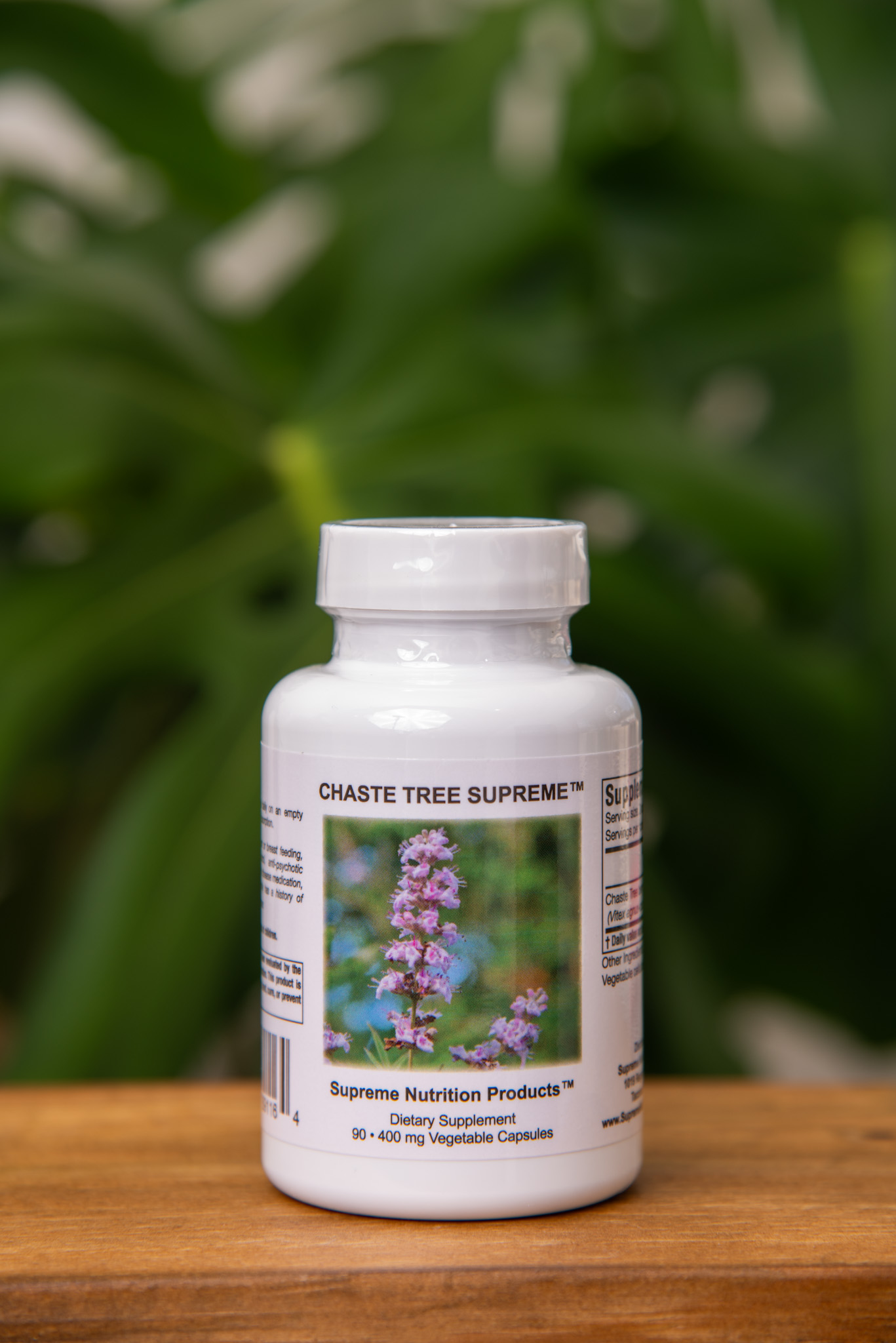
Chaste tree, also known as vitex, is a flowering shrub native to the Mediterranean region and parts of Asia. Its small berries are the part most closely associated with herbal preparations for menstrual concerns.
European herbal traditions have used chaste tree for menstrual concerns, especially the physical and emotional changes that occur before a period. Its small berries became a familiar part of care for cyclical breast tenderness and premenstrual discomfort.
Modern human research gives this traditional use a meaningful point of connection. Studies of particular chaste tree fruit extracts have found improvements in overall premenstrual symptoms, including symptom patterns involving mood and breast discomfort. This PMS research paper is one example.
For women who notice a clear premenstrual pattern, chaste tree offers a focused herbal option. Its long menstrual history and the improvements observed in trials make it especially relevant when several PMS symptoms appear together.
A symptom diary helps connect that herbal choice with your experience. Noticing when symptoms begin, how they change once bleeding starts, and how they affect daily life gives treatment a clear direction.
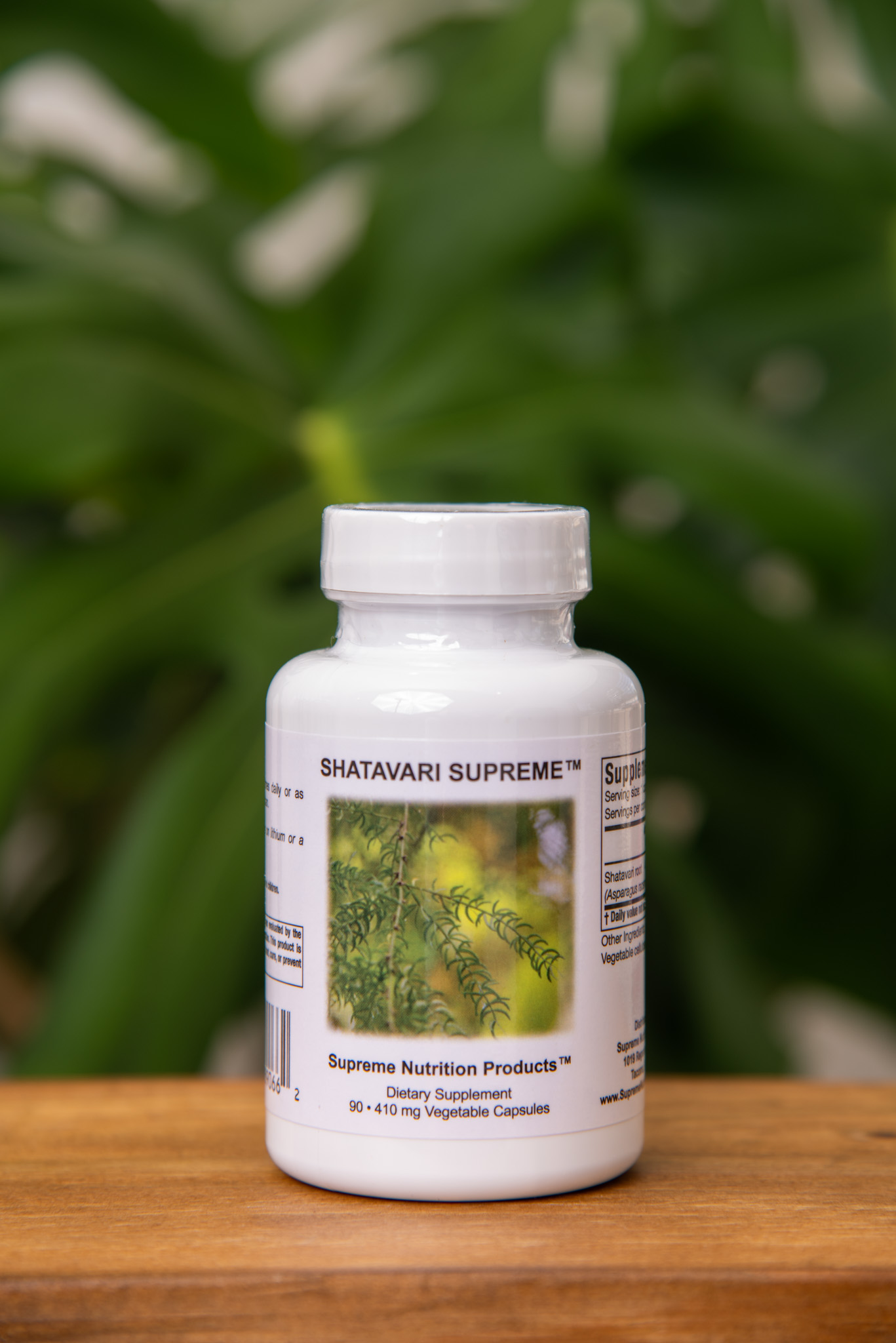
Shatavari is a climbing member of the asparagus family, with slender foliage and a cluster of fleshy roots. It grows across parts of Asia and other warm regions, and its roots hold a prominent place in Ayurvedic medicine.
Traditionally, shatavari has been valued as a nourishing, restorative herb. Its uses have included women’s reproductive well-being and digestive comfort. That combination reflects a wider idea of care: supporting a woman’s overall resilience alongside the concerns of a particular life stage.
In Ayurvedic women’s care, shatavari is used to nourish and replenish through the reproductive years. Herbalists include it in menstrual care when supporting overall vitality, digestive comfort, and a sense of restoration are important goals.
Research has also explored shatavari during other stages of women’s health. Human research in menopause has reported improvements in overall symptoms with a standardized extract, adding to the wider interest in this traditional women’s tonic.
Within a cycle-support plan, shatavari’s role is the nourishing one. Its history invites attention to how well a woman is eating, resting, digesting, and recovering throughout the month.
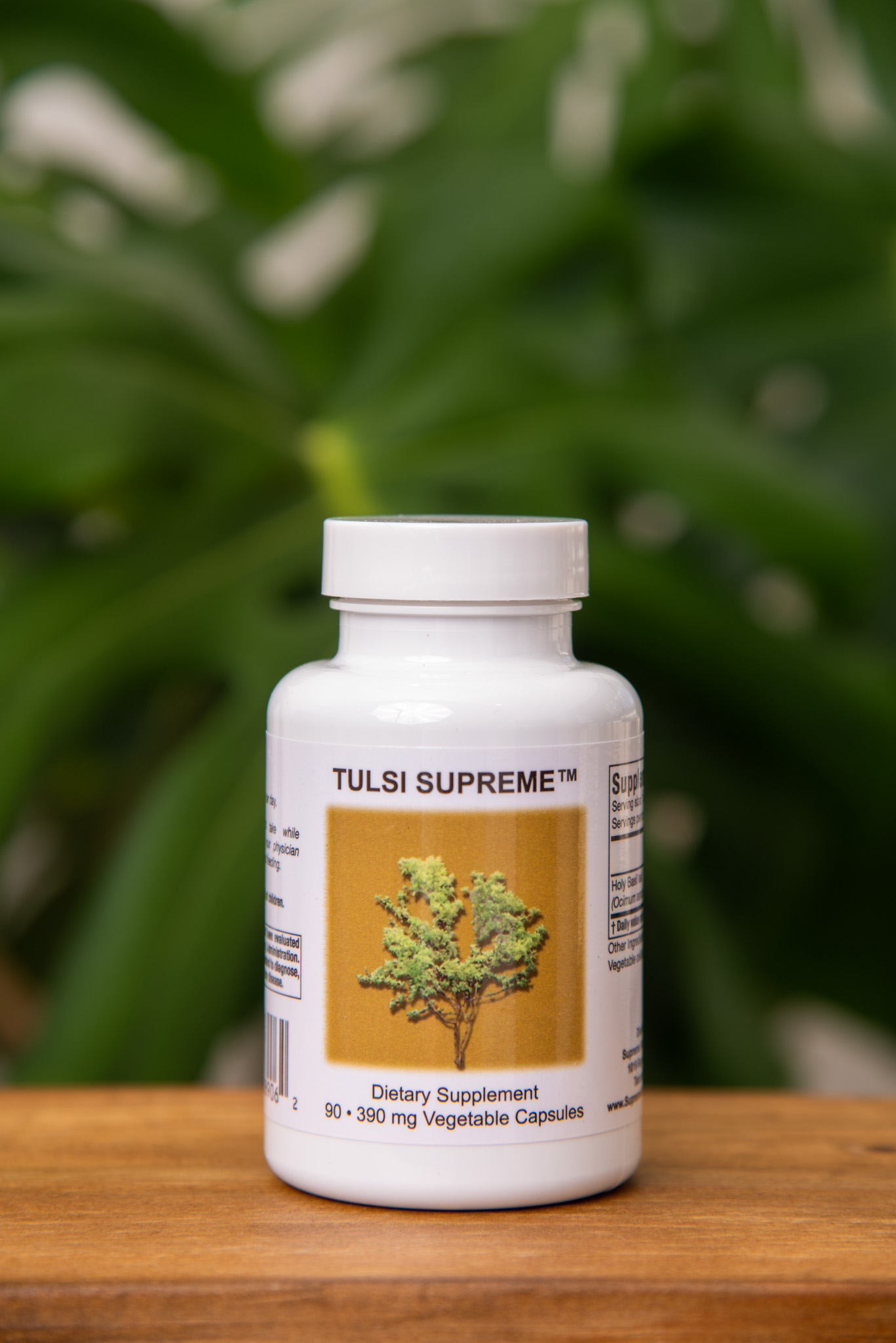
Tulsi, or holy basil, is an aromatic plant with deep roots in the daily and spiritual life of India. Its leaves are used in tea, and the living plant has traditionally been grown near homes and in temple courtyards.
Ayurvedic traditions have used tulsi for general well-being, digestive discomfort, and respiratory complaints. Its long association with physical and emotional resilience is especially relevant when the days before a period feel more demanding than the rest of the month.
Human research on tulsi extracts has found reductions in perceived stress and improvements in reported sleep quality. These are benefits that connect with its traditional role in everyday care. You can read the stress and sleep research here.
Tulsi is particularly relevant when premenstrual discomfort arrives alongside stress or restless sleep. Its benefits for perceived stress and sleep give it a practical role in caring for the nervous system during a demanding part of the cycle.
Tulsi’s story encourages a broader look at that experience. Regular meals, room to rest, and an honest assessment of daily demands can all belong beside a conversation about herbal support.
A personal approach
Working with Your Monthly Rhythm
Chaste tree is a traditional choice for premenstrual symptoms, with human research showing improvement in overall PMS complaints. Shatavari brings a nourishing approach to women’s reproductive care. Tulsi supports the stress-and-rest side of the picture.
Tracking your symptoms across the month can help make the choice more personal. The timing of breast tenderness, mood changes, digestive discomfort, and sleep disruption provides useful information for a plan that supports your particular cycle.
A brief note on safetyAvoid chaste tree during pregnancy or breastfeeding; it also needs review with hormonal medicines, hormone-sensitive conditions, and medicines that affect dopamine. Shatavari warrants review with hormone-sensitive conditions, lithium, or diuretics. Tulsi needs consideration with blood thinners and blood-sugar medicines. Discuss any of these herbs with your clinician if you are pregnant, nursing, or trying to conceive. Severe pain, unusually heavy bleeding, or disabling mood symptoms deserve assessment.Chasteberry safety
Ozark Holistic Center
Let’s start with your story.
If you would like help understanding which approaches fit your situation, learn about functional medicine at Ozark Holistic Center and our free 15-minute consultation.


