

3 Herbs for Stress Support

Updated: 22 hours ago
Sometimes you reach the end of the day feeling exhausted, yet you still have trouble settling down. Your responsibilities are finished for the evening, but your mind is working through tomorrow’s list.
How the Body Responds to Stress
The nervous system and hormone-producing glands work together to respond to demands. Signals from the brain activate the stress response, and the adrenal glands, which sit above the kidneys, release hormones such as adrenaline and cortisol. These changes help make energy available and prepare the body to act.
As the demand passes, the body needs time to settle and recover. Restful sleep, digestion, and relaxation all belong in that recovery process. Herbal stress support often focuses on helping a person feel calmer, rest more easily, and recover from sustained demands.
When we talk about supporting the body through stress, this is part of the picture: how we handle the demands of the day and how well we recover afterward.
Herbal traditions have approached that question for generations. Among the plants they have turned to are an earthy root from Ayurvedic medicine, an aromatic herb grown in temple courtyards, and a bright red berry valued throughout East Asia.
Ashwagandha, tulsi, and schisandra each have a distinct history. Understanding those stories helps explain why they continue to have a place in conversations about stress, rest, and resilience.
This article contains affiliate links. Ozark Holistic Center may earn a commission from purchases made through these links.
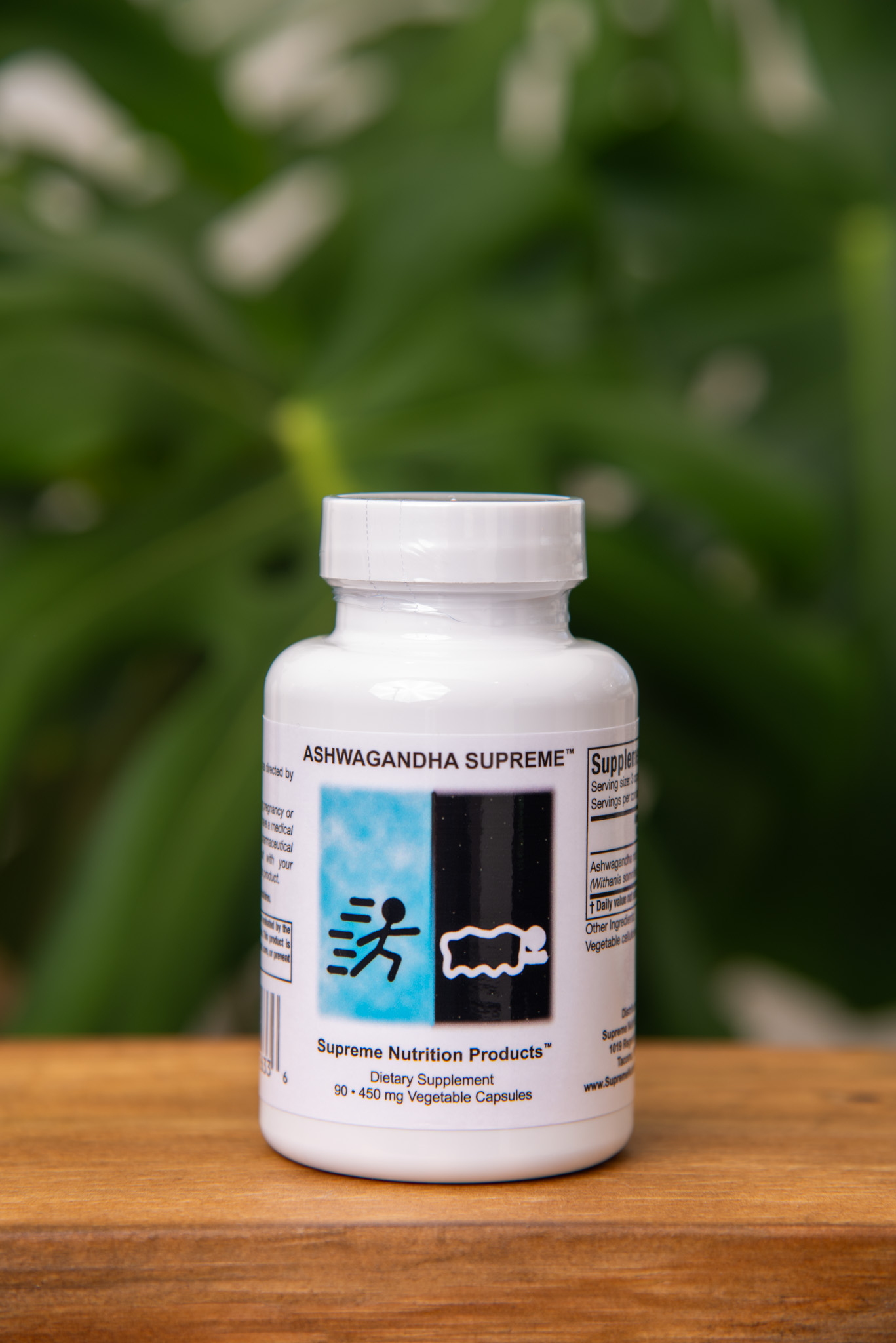
Ashwagandha, Withania somnifera, is a shrub that grows across parts of Africa and Asia. Its roots hold a particularly important place in Ayurveda, the traditional medical system of India.
In that tradition, ashwagandha is considered a rasayana—a restorative herb associated with strength, vitality, and healthy aging. Its historical role has included supporting people experiencing weakness, exhaustion, and difficulty resting. This overview of ashwagandha’s traditional uses explores its long-standing reputation as a rejuvenating tonic.
That combination of strength and rest is what makes ashwagandha interesting. In its traditional use, restoring vitality included helping a person recover from the demands placed on them.
Modern research has found benefits that connect with that history. Human studies of ashwagandha preparations have reported reduced perceived stress and improvements in sleep. Some have also found reductions in cortisol, a hormone involved in the stress response. You can read more in this stress research paper and the National Institutes of Health overview.
For a conversation about stress, ashwagandha’s most relevant qualities are its traditional restorative role and the research supporting stress relief and sleep. Those are useful considerations when someone describes feeling worn down while still struggling to unwind.
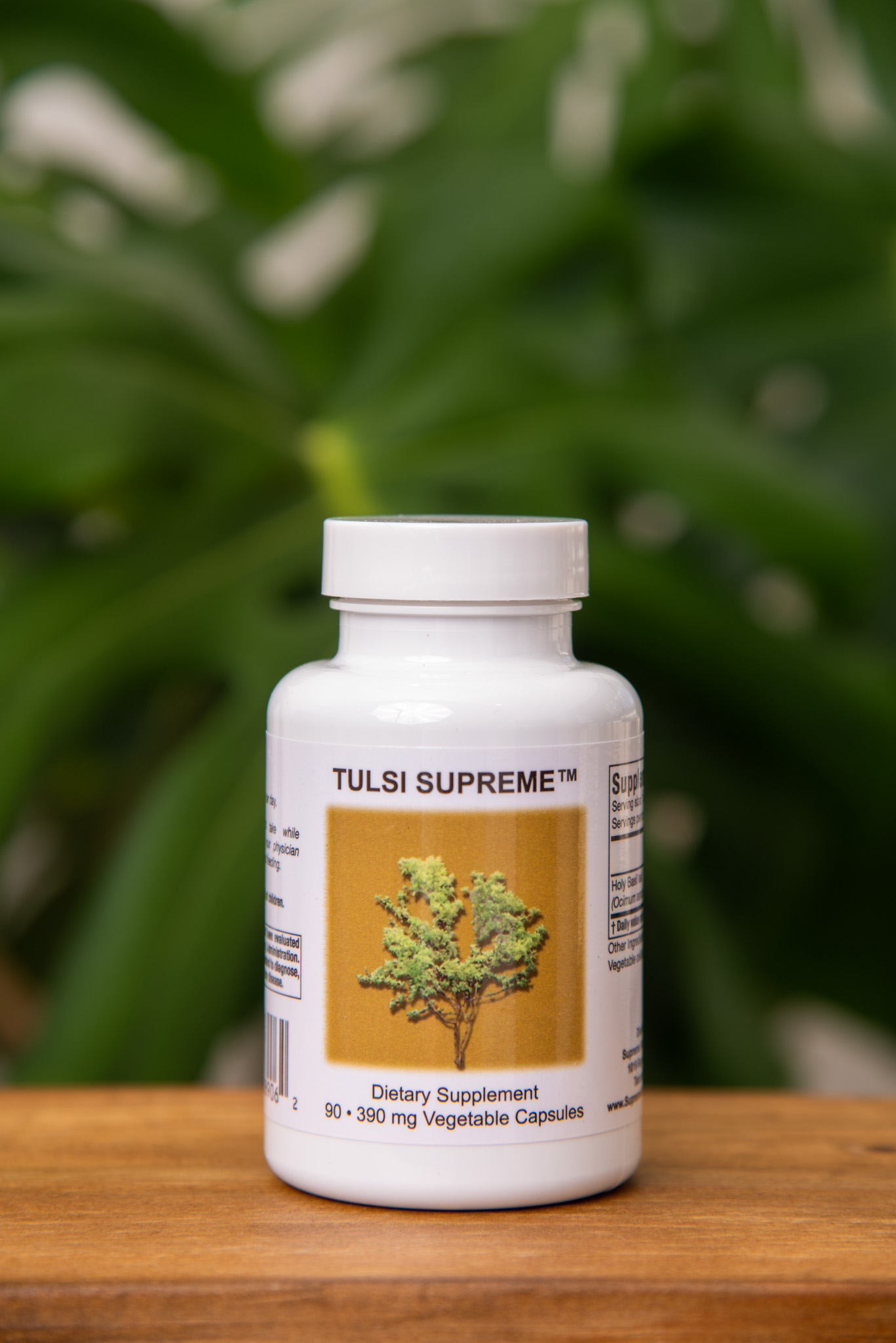
Tulsi, also called holy basil, is an aromatic plant native to tropical and subtropical Asia. Its botanical name is Ocimum tenuiflorum, although you will also see it called Ocimum sanctum.
The name “holy basil” reflects its sacred place in Hindu traditions. Historically grown in temple courtyards, tulsi has connected spiritual practice, everyday life, and herbal medicine. Its fragrant leaves are used in teas, and traditional preparations of the plant have been used for digestive discomfort, coughs, and general well-being.
Tulsi has a long association with physical and emotional well-being. Today, herbalists often discuss tulsi as an adaptogen, a term used for herbs intended to support the ability to cope with stress. That connection between everyday wellness and stress support remains central to how the herb is understood.
Human research adds support to that traditional role. Studies of tulsi extracts have found reductions in perceived stress and improvements in reported sleep quality. Research has also observed changes in stress-related cortisol measures. These findings help explain the growing interest in tulsi for people who feel that everyday pressures are affecting their ability to relax. Read the research here.
What I appreciate about tulsi’s history is its connection to daily care. It invites a conversation about the routines that support well-being: taking time to pause, eating regularly, protecting sleep, and making space to recover.
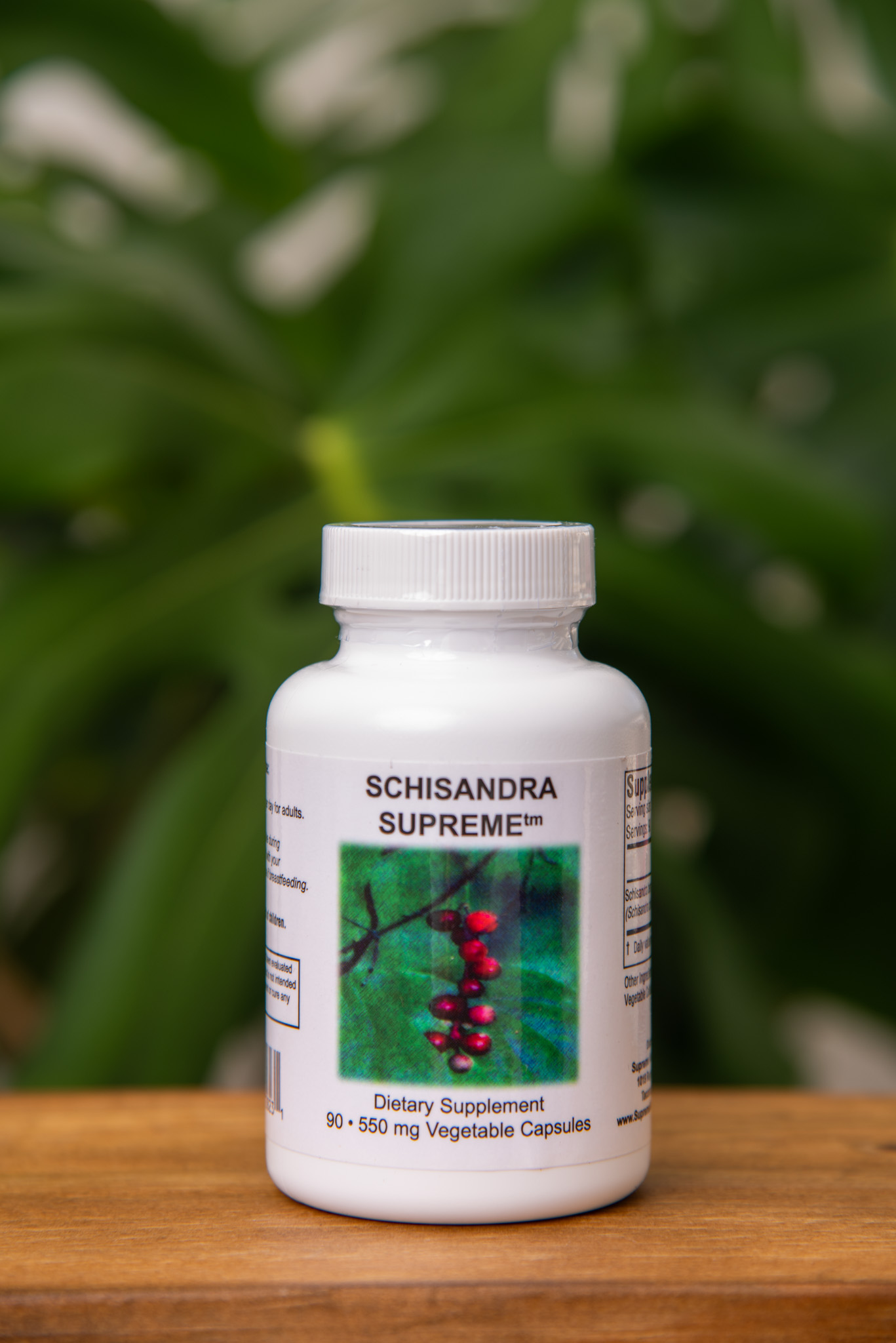
Schisandra, Schisandra chinensis, produces red berries and has a long history in East Asian herbal medicine.
Its Chinese name, wu wei zi, means “five-flavored fruit.” The name describes the combination of sweet, sour, bitter, salty, and pungent qualities associated with the berry. It is a memorable introduction to a plant that has traditionally been valued for several different purposes.
In traditional Chinese medicine, schisandra has been used as a tonic for vitality and included in preparations for fatigue, sleep difficulties, coughs, and digestive complaints. Its place in a stress-support discussion comes especially from that history of supporting stamina and recovery.
Schisandra also attracted substantial research interest in Russia, where scientists investigated its effects on physical and mental performance. A review of this research describes reports of improved endurance, mental performance, and capacity for sustained work. Laboratory research has also identified antioxidant activity.
These findings connect with schisandra’s traditional reputation for resilience. Herbalists use the berry as a tonic for vitality and stamina, especially when fatigue and sustained mental or physical demands are part of the picture.
A personal approach
Finding the Right Support for You
These three herbs offer different starting points. Ashwagandha has a strong traditional association with restoration and rest. Tulsi brings a history of daily well-being and research on perceived stress. Schisandra has long been valued for vitality and stamina.
In a holistic approach, choosing an herb begins with understanding the person. I want to know how stress shows up for you, what your sleep looks like, and whether you have enough opportunity to recover. That helps give any herbal recommendation a clear purpose.
Research findings can vary with the preparation used, so the specific product and your individual needs belong in that conversation.
A brief note on safetyA brief safety review matters, too. Ashwagandha should be avoided during pregnancy and breastfeeding and needs particular consideration with thyroid or autoimmune conditions; rare liver injuries have been reported. Schisandra should also be avoided during pregnancy and can interact with medications. Tulsi warrants review with blood thinners or blood-sugar-lowering medicines.
Ozark Holistic Center
Let’s start with your story.
If you would like help understanding which approaches fit your situation, learn about functional medicine at Ozark Holistic Center and our free 15-minute consultation.