

3 Herbs for Joint Comfort

Comfortable movement can be easy to take for granted until a stiff knee, an aching hand, or discomfort after exercise changes your day. Then simple things—gardening, walking, getting up from a chair—start to require more thought.
What Keeps a Joint Moving Comfortably?
A joint is a place where bones meet. In freely moving joints such as the knee, smooth cartilage covers the bone surfaces and synovial fluid helps them glide. Ligaments provide stability, while muscles and tendons create movement.
Joint comfort depends on these tissues working together. Injury, repeated strain, and inflammation can affect that balance, making mobility, strength, and recovery useful parts of a broader care plan.
Cissus, cat’s claw, and Japanese knotweed have long histories in herbal approaches to recovery and physical comfort. Their stories bring attention to connective tissues, inflammatory activity, and the ability to keep moving comfortably.
This article contains affiliate links. Ozark Holistic Center may earn a commission from purchases made through these links.
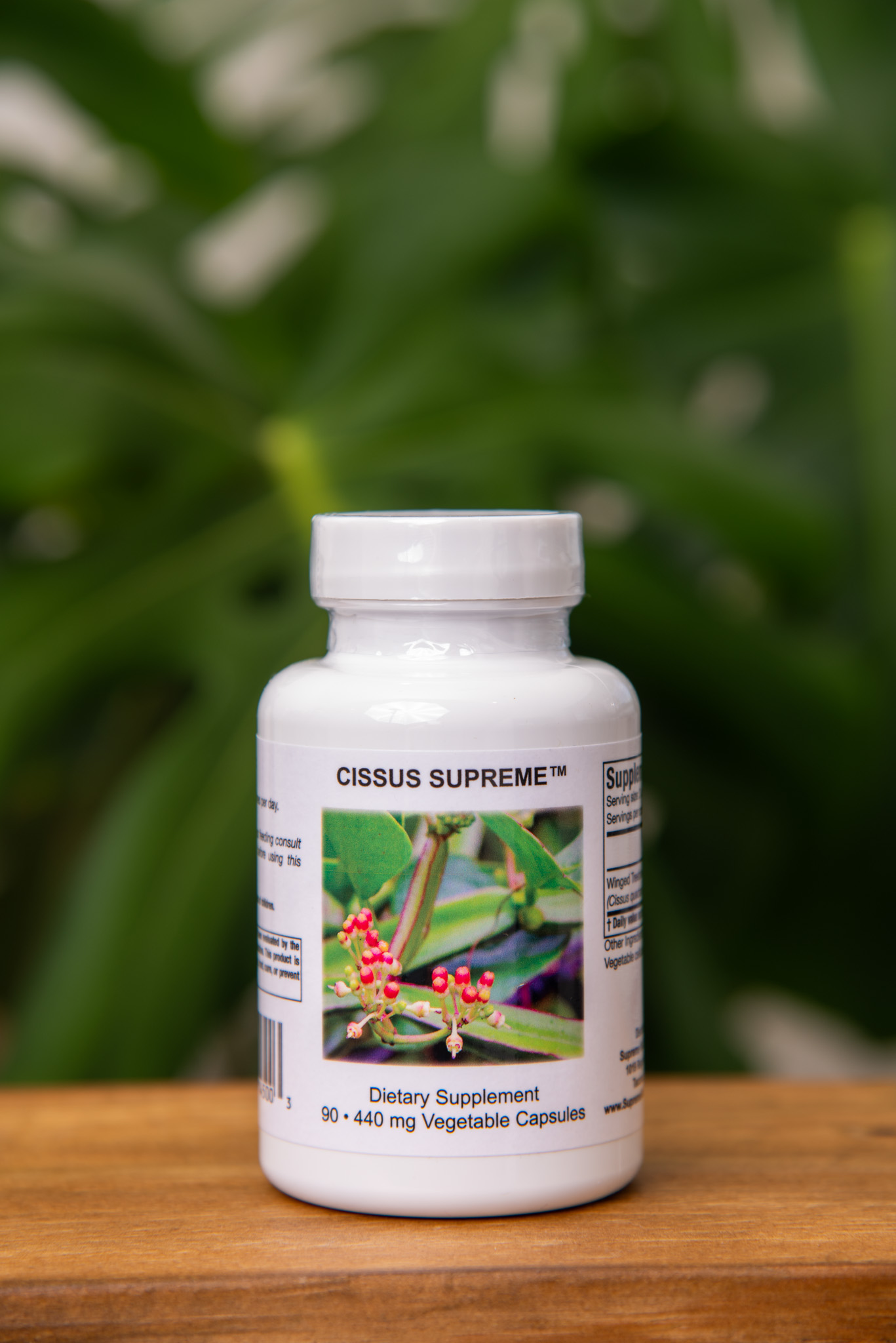
Cissus is a perennial vine in the grape family, recognizable by its thick, angular stems. It grows in tropical regions of Asia and Africa and has a long place in Ayurvedic and other traditional systems of medicine.
The stem is especially important in its herbal history. Traditional use has included recovery after injury and care for bones and connective tissues. That background explains why cissus often appears in modern conversations about movement and physical resilience.
Human research has reported reduced exercise-related joint discomfort with a cissus preparation. This research paper provides a modern connection to the plant’s traditional restorative role.
In traditional herbal care, cissus is chosen to support bones, connective tissues, and recovery after physical strain. That history makes it particularly relevant when joint comfort is part of a wider conversation about rebuilding strength and returning to activity.
Cissus fits naturally into a recovery plan that also considers training demands, movement patterns, nutrition, and rest. These details help give an herbal choice a clear purpose.
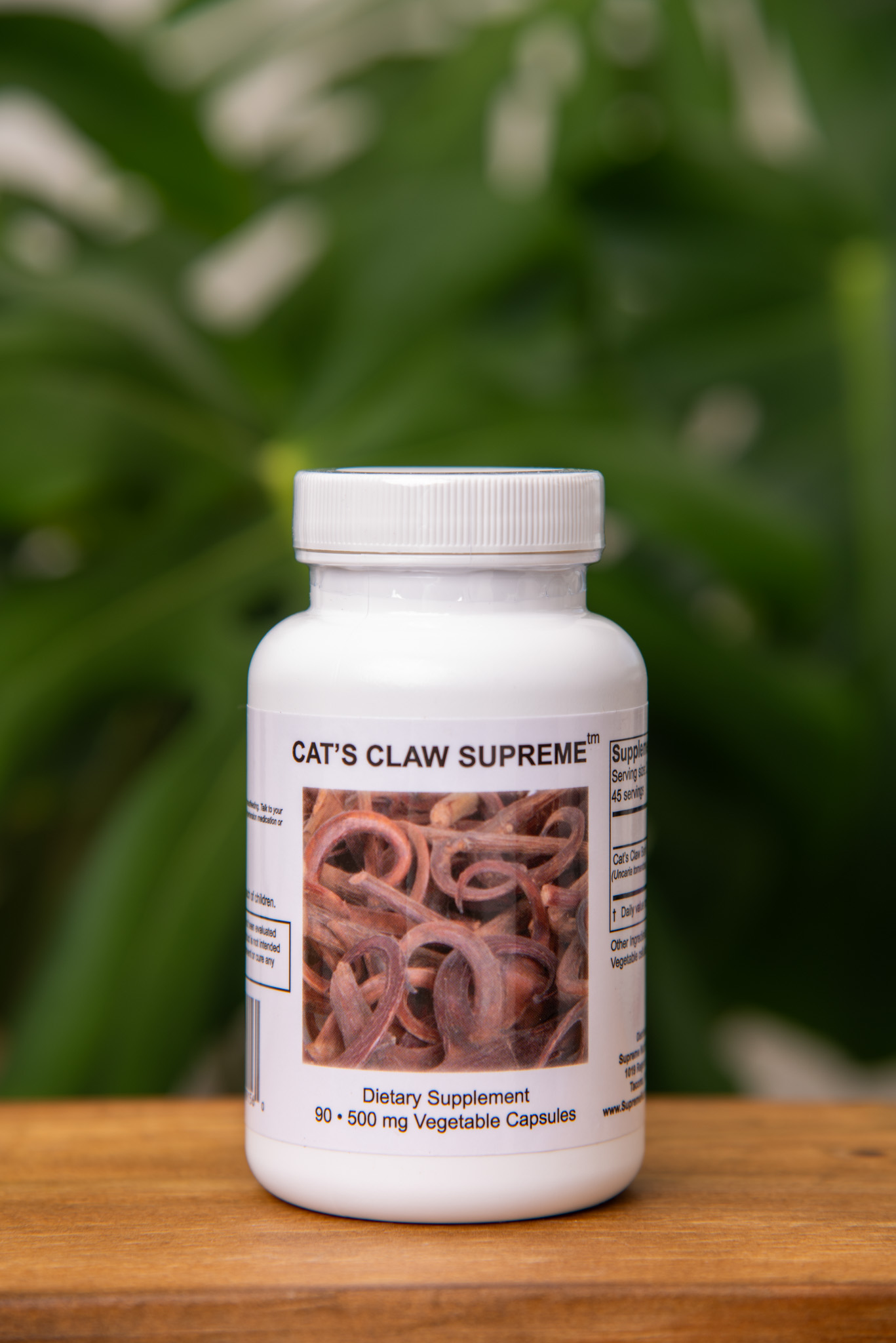
Cat’s claw is a woody climbing vine from tropical Central and South America. Its curved thorns resemble a cat’s claws, giving the plant its memorable common name. The bark is a familiar part of traditional preparations.
Amazonian herbal traditions have used cat’s claw for joint complaints, digestive concerns, and other forms of illness. That broad history has encouraged research into compounds that influence inflammatory and immune processes.
A human study of an Uncaria tomentosa extract, used alongside conventional rheumatoid arthritis treatment, found a reduction in the number of tender joints. This observed benefit connects with the vine’s traditional role in joint care. Read the research here.
The bark contains compounds studied for their effects on inflammatory and immune activity. The botanical name Uncaria tomentosa identifies the species used in this product and in the tender-joint research linked here.
Cat’s claw is a traditional choice when joint discomfort and inflammatory concerns occur together. Its history and human findings make it a useful herb to discuss within an individualized care plan.
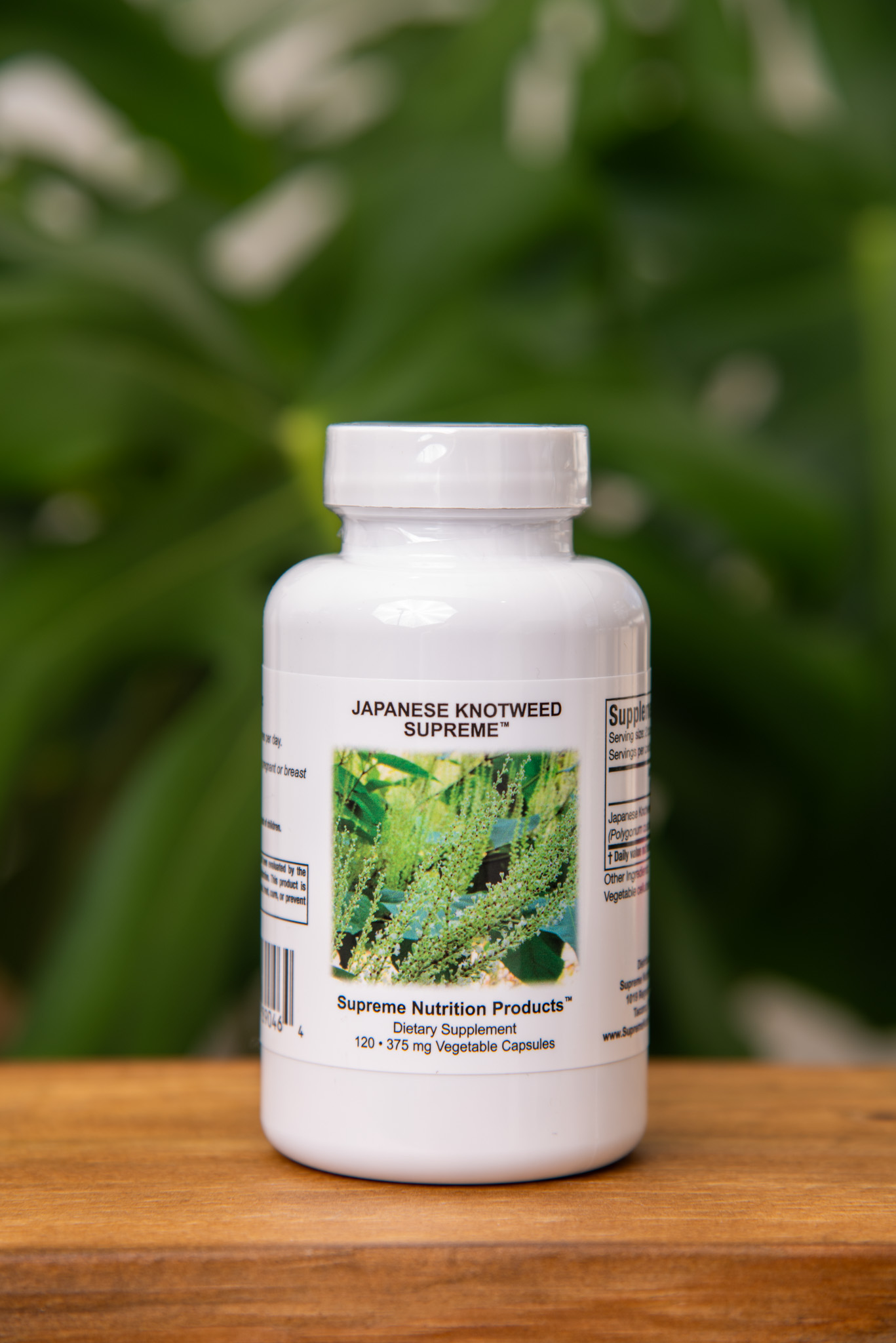
Japanese knotweed is a vigorous perennial native to East Asia. Its roots and rhizomes have a history in traditional medicine for concerns involving discomfort and circulation. Older botanical references often call it Polygonum cuspidatum or Fallopia japonica.
The plant is widely discussed today because it contains resveratrol, a compound also found in grapes and other plants. Laboratory research has explored resveratrol’s effects on inflammatory pathways, creating interest in possible applications for joint health.
Laboratory research on resveratrol has found reduced inflammatory signaling and protective effects in cartilage cells. Human research on isolated resveratrol has produced mixed joint-pain results, as discussed in this clinical research paper.
Japanese knotweed has a broader traditional identity than any single constituent. East Asian herbal practice uses the root in approaches to circulation and discomfort, placing it within a larger picture of movement and tissue health.
Its place in this group comes from that traditional combination: supporting circulation and caring for areas of physical discomfort. The research on its constituents adds another layer to a long-established herbal story.
A personal approach
Making Room for Comfortable Movement
Cissus is traditionally used for recovery and connective-tissue support. Cat’s claw brings a history of joint care and human findings on tenderness. Japanese knotweed contributes an East Asian tradition focused on circulation and physical comfort.
A useful plan connects these herbs with what your joints need: appropriate movement, strength, recovery time, and attention to the source of discomfort. The aim is to make daily activity easier and help you remain engaged in the things you enjoy.
A brief note on safetyAvoid these herbs during pregnancy or breastfeeding unless a qualified clinician specifically advises otherwise. Cat’s claw requires review with immunosuppressants, autoimmune conditions, blood thinners, and blood-pressure medicines. Japanese knotweed also warrants caution with blood thinners and before surgery. Long-term safety information for cissus remains limited. A hot, swollen joint with fever or sudden inability to bear weight needs prompt assessment.Cat’s claw safety
Ozark Holistic Center
Let’s start with your story.
If you would like help understanding which approaches fit your situation, learn about functional medicine at Ozark Holistic Center and our free 15-minute consultation.


