
The Top 5 Antifungal Herbs I Reach For Most (and Why)

Updated: 6 days ago

When someone tells me they feel “off” in that familiar way, bloated, foggy, itchy, reactive, or just not quite themselves, my mind doesn’t jump straight to a diagnosis. It zooms out.
Because fungal overgrowth (especially in the gut) is rarely just about the fungus. It’s often about the terrain: repeated antibiotics, digestion, bile flow, immune balance, stress load, and whether the body has the tools to clear what it’s trying to clear.
 | PUT THESE IDEAS INTO PRACTICE Looking for practical meal inspiration?Nutrition is only one part of supporting your overall health, but consistent, balanced meals can make healthy habits easier to maintain. For flexible whole-food ideas and approachable recipes, explore Dr. Quinn's 7 Days to Healthy Living. Available in paperback and digital editions. |
1) Golden Thread (Coptis chinensis)
Golden Thread is one of those “old world” remedies that keeps showing up for a reason. it has a long history in Traditional Chinese Medicine and describes it as an effective antifungal and broader antimicrobial.
Known benefits noted on their write-up:
Antifungal activity (broadly described).
Broad antimicrobial coverage (they also describe antibacterial, antiparasitic, antibiofilm, and antiviral effects).
Support for GI issues tied to “pathogenic origin,” and discussion of berberine-related actions.
Why I like it conceptually: it’s not just “kill mode.” It’s often discussed in the context of gut terrain—especially when the gut feels inflamed, reactive, or stuck.

2) Neem (Melia / Azadirachta indica)
Neem is one of my favorite examples of an herb that has a reputation for being wide-spectrum—and Supreme Nutrition Products echoes that. They describe neem as a broad antimicrobial with activity against various fungi, and they specifically mention use in cases involving drug-resistant candida.
Known benefits noted on their write-up:
Broad antimicrobial activity, including effectiveness against fungi.
Reported use for drug-resistant candida in HIV-positive patients (as described on the page).
Notes on immune and inflammatory modulation (T-cell stimulation; blocking pro-inflammatory prostaglandins) and liver-protective effects.
Important caution: They also list pregnancy/breastfeeding as a contraindication on their product page.

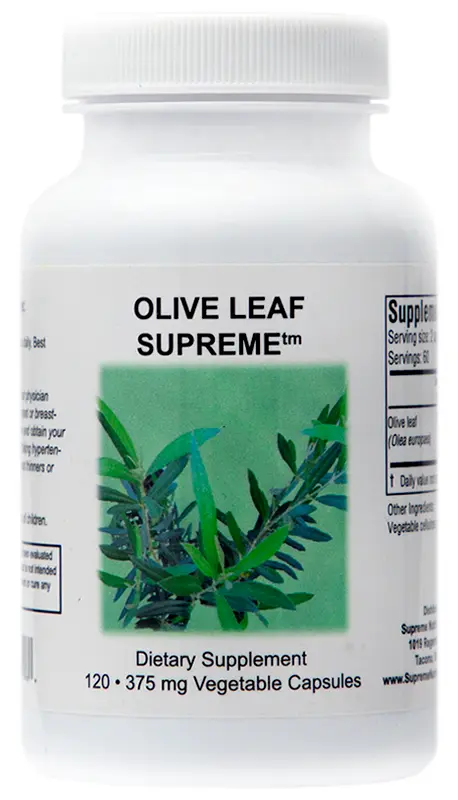
3) Olive Leaf (Olea europaea)
Olive leaf is one of the cleanest “foundation” antimicrobials in my mind—steady, versatile, and often well tolerated. On their write-up, Supreme Nutrition Products describes olive leaf as a broad-spectrum antimicrobial with published studies supporting antiviral, antibacterial, antifungal, and antiparasitic effects.
Known benefits noted on their write-up:
Antifungal activity as part of a broad antimicrobial profile.
Antioxidant support (they cite a high ORAC value and compare it to other foods/herbs).
Cardiometabolic support notes (blood pressure, triglycerides), plus other systemic benefits discussed on the page.
Important caution: Their page recommends avoiding use during pregnancy/lactation and using caution with certain medications (blood pressure meds, blood thinners, diabetic drugs).
4) Artemisia annua (Sweet Wormwood)
Artemisia is often talked about in parasite conversations, but Supreme Nutrition Products also highlights it for anti-fungal properties, naming Candida albicans specifically (and also Saccharomyces cerevisiae).
Known benefits noted on their write-up:
Antifungal activity, including against Candida albicans (as described).
Antimicrobial/antiparasitic emphasis.
Immune-signaling support: they mention potential Th17 suppression and possible relevance to autoimmune patterns (as described on the page).
Why it matters: for some people, fungal issues don’t travel alone. This is one of those herbs often discussed when the “microbial picture” feels layered.

5) Black Walnut (Juglans nigra)
Black walnut has a long-standing tradition in parasite cleanses, and Supreme Nutrition Products also calls it a powerful antifungal, including against Candida albicans.
Known benefits noted on their write-up:
Antifungal activity, including against Candida albicans (as described).
Traditional use as an antiparasitic (helping to kill/expel helminths), plus antibacterial properties.
A practical note: Black walnut can be intense for some people. When it’s the right fit, it can be powerful—when it’s not, it can feel like “too much, too fast.”

A grounded way to think about antifungals
Here’s the part I don’t want you to miss:
Antifungal herbs are tools—but they work best when the body is also supported in the basics:
consistent meals and blood sugar steadiness
hydration + minerals
daily bowel movement rhythm
breathing that calms the nervous system
gentle movement to keep lymph and bile moving
Because “kill” without “clear” is where people often get stuck.
Quick safety reminder: herbs can interact with medications and may be inappropriate in pregnancy/breastfeeding or certain conditions. If you’re dealing with severe symptoms, are immunocompromised, pregnant, or on prescriptions, it’s worth running any antimicrobial plan past a qualified clinician.
Choose the Care Option That Fits You
In Northwest Arkansas?
Start with a free 15-minute phone consultation. It’s a relaxed way to ask questions, share a little about your health history and see whether our approach feels right for you. We can also discuss whether testing would be helpful before your first visit. If you choose to continue, we’ll plan your in-person care at our Fayetteville clinic.
Not local, or prefer telehealth?
Start with a free 15-minute phone consultation with Dr. Quinn or Dr. Cole. We’ll discuss your concerns, whether testing may be helpful and whether telehealth is a good fit for your needs and location. If you choose to continue, your visits and follow-up care can take place online through telehealth.


