The Top 5 Antiparasitic Herbs I Reach For Most (and Why)

Updated: 6 hours ago

Parasites are one of those topics that can instantly flip the nervous system into alarm mode. And I get it—because nobody wants to imagine something “living in them.”
But I want to offer a steadier lens:
The goal isn’t panic. The goal is resilience.
We live in a world where exposure is normal—travel, pets, gardening, raw foods, restaurants, kids bringing home every microbe imaginable. Your body isn’t designed to be sterile. It’s designed to be strong, adaptive, and responsive.
So instead of obsessing over a “perfect cleanse,” let’s talk about what actually makes a body less hospitable to opportunistic organisms: a strong terrain—a well-fed, well-moving, well-defended internal environment.
That’s what this post is about: prevention through foundations, and then strategic support—using herbs and algae as a baseline nutritional builder.
 | PUT THESE IDEAS INTO PRACTICE Looking for practical meal inspiration?Nutrition is only one part of supporting your overall health, but consistent, balanced meals can make healthy habits easier to maintain. For flexible whole-food ideas and approachable recipes, explore Dr. Quinn's 7 Days to Healthy Living. Available in paperback and digital editions. |
First: What “prevention” really means
When people say “prevent parasites,” they usually mean one of two things:
Avoid exposure (food safety, clean water, hygiene)
Improve internal resistance (digestion, immune function, detox capacity, nutrient sufficiency)
Avoiding exposure matters—but it only goes so far.
Because the deeper truth is this:
A resilient body is harder to colonize. Not because it’s aggressive… but because it’s regulated.
Parasites and unwanted microbial overgrowth tend to thrive when the system is stressed:
low stomach acid
sluggish bile flow
constipation or slow transit
blood sugar swings
inflamed gut lining
nutrient deficiencies
chronic stress and poor sleep
immune system imbalance
So we build prevention by building the system.
The “terrain” approach: 6 foundations that make you harder to mess with
1) Strong digestion (stomach acid + enzymes)
Your stomach acid is one of the first gates. When it’s low, more organisms survive the trip downstream.
Support it simply:
don’t eat in a rush
chew more than you think you need to
consider bitters before meals (ginger, arugula, dandelion greens—food first)
watch the constant snacking pattern (it weakens the digestive “rhythm”)
2) Bile flow (your antimicrobial river)
Bile isn’t just for fat digestion—it’s part of the body’s cleansing and defense architecture. A stagnant bile system often looks like:
greasy stools
bloating after fats
constipation
skin issues
Food supports: lemon, beets, leafy greens, artichoke, adequate healthy fats (so your gallbladder actually contracts).
3) Daily elimination (because gut “detox” is mostly poop)
If you aren’t eliminating well, the body recirculates what it should be clearing.
Simple rules:
hydrate consistently
eat fiber daily (vegetables, chia, flax, legumes if tolerated)
walk after meals
get morning light (yes—this helps bowel rhythm)
4) Blood sugar stability (parasites love chaos too)
Blood sugar swings create stress chemistry and cravings—and cravings often drive the exact foods that weaken the terrain.
Build stability with:
protein at breakfast
fiber at every meal
walking as a “glucose buffer”
fewer liquid calories
5) Sleep (your immune reset button)
One of the most underrated parasite-prevention tools is deep sleep. Sleep is where immune surveillance and repair chemistry actually happen.
If sleep is poor, don’t jump straight to “kill protocols.” Start with regulation.
6) Reduce exposure without going extreme
This is the practical list that matters:
wash produce (especially berries/greens)
cook meats thoroughly
avoid questionable water sources when traveling
wash hands after gardening, animals, litter boxes
don’t ignore chronic nail biting / thumb sucking in kids
keep pets supported and dewormed appropriately
The herbal layer: targeted botanical support (Supreme Nutrition Products)
Once the foundation is in place, herbs can be used strategically—especially for people with higher exposure risk, travel history, gut issues, or recurrent suspicious symptoms.
Here are several herbs from Supreme Nutrition Products that are specifically described as antimicrobial / antiparasitic tools.
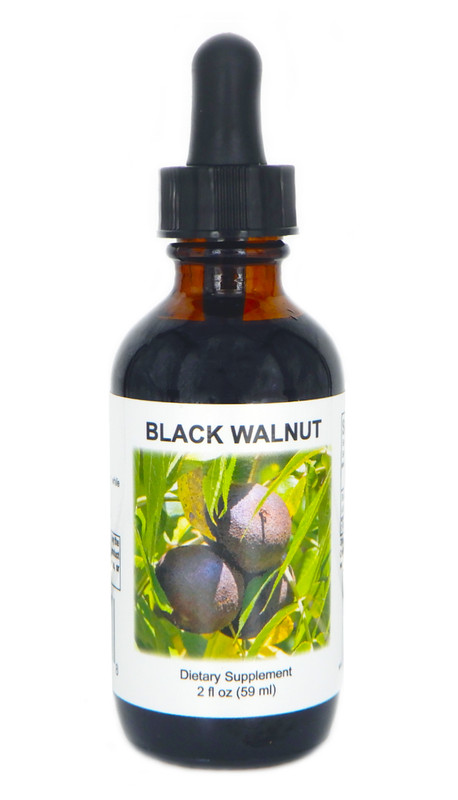
1) Black Walnut (Juglans nigra)
Traditionally used in herbal medicine as an antiparasitic, especially in “worm” discussions. It’s a very effective anti-parasitic specifically against helminths (worms).
How I think about it clinically: Black walnut is a “terrain shifter”—bitter, sharp, and historically used when someone is dealing with unwanted organisms.
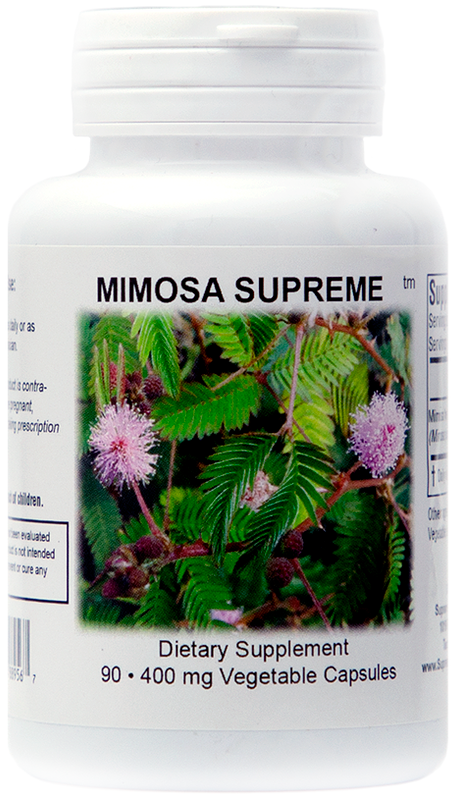
2) Mimosa pudica seed (Mimosa Supreme)
Mimosa is an “Antimicrobial (especially Parasite)” and it has a long-standing Ayurvedic history.
What makes mimosa unique: It’s often discussed for its binding and “clearing” behavior in the gut—more mechanical support than just “kill.”
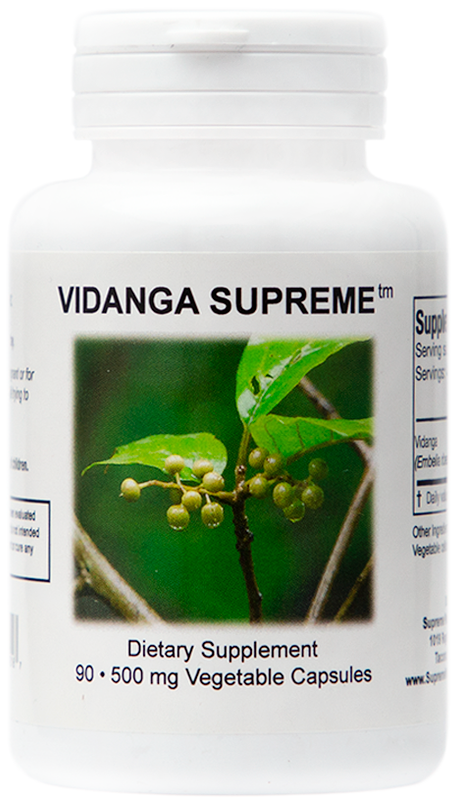
3) Vidanga (Embelia ribes)
Vidanga Supreme is used for “Parasitic worms,” and has a focus for worm-expelling uses in traditional systems.
How I frame vidanga: A classic Ayurvedic tool when the issue is deeper than “just digestion” and feels more like a chronic terrain imbalance.
4) Neem (Melia Supreme)
Melia Supreme (Neem) is as a “broad spectrum anti-microbial” showing effectiveness against “fungi, bacteria, parasites, virus…” and it’s also noted as not harming beneficial intestinal flora.
Why neem matters: Because the goal isn’t scorched-earth. We’re trying to support balance—clear what shouldn’t be there while protecting what should.

5) Golden Thread (Coptis chinensis) – berberine-rich
Golden Thread Supreme is a “Broad Spectrum Antimicrobial (fungus, bacteria, virus, parasite)” and specifically highlights its berberine content.
Clinical note: Berberine-containing herbs are often used when gut terrain is inflamed, dysbiotic, or unstable. They’re not just “parasite herbs”—they’re regulation herbs.

6) Houttuynia cordata
Houttuynia Supreme has “anti-viral and anti-parasitic properties,” and provides biofilms and inflammation support.
How I think about it: A more nuanced antimicrobial—often considered when there’s complex terrain (inflammation + chronic infection patterns).

The algae layer: “baseline nutrition” that builds resilience
If herbs are a tactical layer, algae is a foundational layer.
Because one of the fastest ways to make a body more resilient is to correct the basics:
micronutrient sufficiency
antioxidant capacity
inflammation tone
immune function support
protein adequacy
Algae isn’t magic. It’s dense nutrition.
Spirulina (Arthrospira): inflammation + antioxidant support
Human research reviews and meta-analyses suggest spirulina supplementation can improve markers tied to inflammation and oxidative stress in various contexts.
Translation: when the body has more antioxidant buffer and less inflammatory noise, the immune system tends to function with more precision.
Chlorella: cardiovascular markers + immune activity
A large review/meta-analysis has summarized chlorella’s benefits across randomized trials, including improvements in several cardiometabolic risk factors. And a human study found short-term chlorella supplementation may enhance NK cell activity and certain immune signaling markers.
Translation: this is part of “terrain building”—supporting immune readiness while also supporting metabolic stability.
Haematococcus pluvialis (astaxanthin): resilience through antioxidant protection
Astaxanthin is one of the most studied algae-derived antioxidants. A classic human trial found an astaxanthin-rich Haematococcus extract (6 mg/day) was safely consumed by healthy adults in the study period.
Translation: this isn’t about chasing a supplement trend—this is about improving the body’s ability to handle oxidative stress, which is a major drain on immune resources.
Dunaliella salina: beta-carotene (vitamin A precursor) support
Dunaliella is known for beta-carotene content, and human nutrition research has looked at algal beta-carotene bioavailability.
Translation: vitamin A status matters for mucosal barriers (your gut lining, respiratory lining)—the very surfaces that determine whether something “sticks” or gets cleared.
A simple, non-extreme prevention rhythm
If you want a grounded routine that doesn’t turn your life into a fear project, try this:
Daily
protein + fiber breakfast
hydration + minerals
walk after one meal
one algae-based support (spirulina/chlorella, or an algae antioxidant like astaxanthin)
consistent sleep window
Seasonally (or travel-based)
tighten food/water hygiene
consider a short, practitioner-guided herbal support window using one or two targeted herbs (not everything at once)
When to go beyond prevention and get help
If you have persistent symptoms like unexplained weight loss, ongoing diarrhea, blood in stool, severe abdominal pain, fevers, or symptoms after travel/water exposure—get evaluated. Testing and medical treatment have a clear place. Natural care and clinical care can work together when we stay honest.
Final thought
The body is not fragile. But it does respond to inputs.
So the real question isn’t “What parasite killer should I take?” It’s:
What kind of internal environment am I building?
Because when your digestion is strong, your elimination is steady, your nervous system is regulated, and your cells are well-fed… your body becomes a place that opportunistic organisms struggle to call home.
That’s prevention. That’s resilience. And it’s a calmer, stronger way to live.
References
Supreme Nutrition Products – Black Walnut Tincture (Juglans nigra)
Supreme Nutrition Products – Mimosa Supreme (Mimosa pudica)
Supreme Nutrition Products – Vidanga Supreme (Embelia ribes)
Supreme Nutrition Products – Melia Supreme (Neem / Azadirachta indica)
Supreme Nutrition Products – Golden Thread Supreme (Coptis chinensis / berberine)
Supreme Nutrition Products – Houttuynia Supreme (Houttuynia cordata)
Spirulina clinical review (Karkos et al., 2010)
Spirulina meta-analysis on inflammation/oxidative stress (2025)
Chlorella review/meta-analysis (Bito et al., 2020)
Chlorella human immune study (NK cell activity) (Kwak et al., 2012)
Haematococcus pluvialis astaxanthin safety study (Spiller et al., 2003)
Dunaliella beta-carotene bioavailability research (Erdman et al., 1998)